
As a UNESCO World Heritage-listed safari destination, Kakadu is a photographer’s heaven and a must-see in the Northern Territory of Australia. Looking at the landscapes and views, the park offers heaps of opportunities for photos. Kakadu is a place with many alluring ecosystems, wildlife, and rich Indigenous culture, and even at the amateur level, its wildlife and landscapes are nature’s canvas. Enhance your experience and capture the essence of this majestic park by joining one of the many Kakadu tours available, which provide guided access to the most photogenic and culturally significant sites.
Kakadu: Through the Lens
Covering over 45,000 square kilometres, Kakadu is Australia’s most unique national park and the largest national park due to its size and wildlife populations. The dramatic escarpment country is typical of this old land where monsoon rainforests and wetlands with grassy beds and steep cliffs and gorges coexist. Vernacular shelters abound where the park’s incredible variety of flora and fauna and many bird species can be found, making it a wildlife photographer’s paradise. Other places of interest include Anbangbang Rock Shelter, where you can see Aboriginal paintings, and famous billabongs, such as Yellow Water Billabong and Anbangbang Billabong.
Best Time to Visit Kakadu For Photography
Dry Season
Without a doubt, the dry season, May to October, is the best time for photographers to capture the Kakadu landscape and wildlife. Generally, the weather during this time of year is good for photography as there are fewer clouds, humidity and rain. The dry season’s water recession in the billabongs and swamps makes for beautiful and steady photography of the park’s natural and landscape features. This is also the time to capture many species of birds, including the black-necked stork and Azure Kingfishers, as they hunt.
Wet Season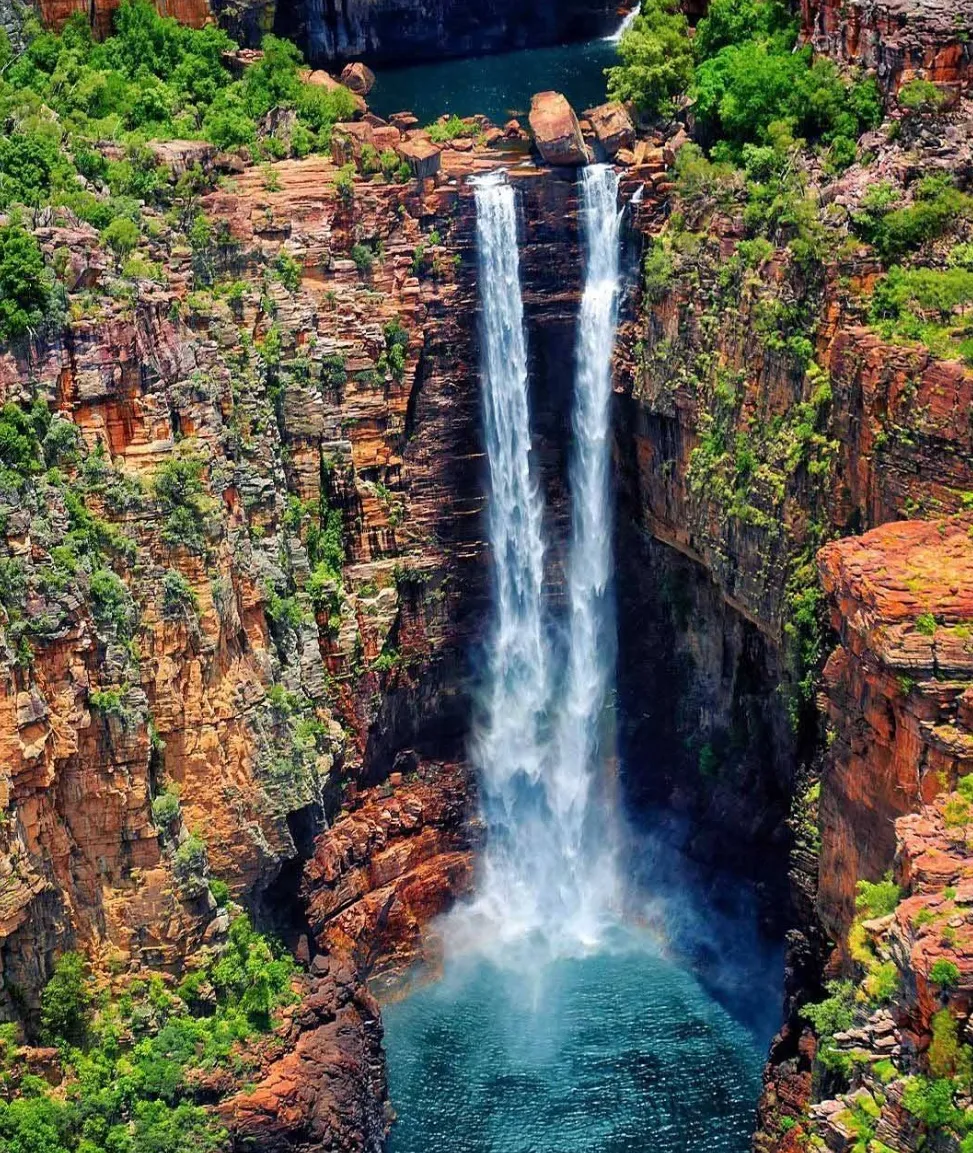
The wet season runs from November to April and turns Kakadu into a green oasis. Torrential downpours and tropical rain create Jim Jim Falls and Twin Falls, and waterholes fill to the brim with water. This is the time when the park takes on a different angle with its green landscape and clear blue water. Some areas may be closed due to flooding, but the wet season is the best time for photos that fit the spirituality of the park and the natural pool scenery created by rain. Rain and its seasonal rains also add drama to the freak captured, which would be perfect for explorers who want to see another side of Kakadu.
What to Photograph?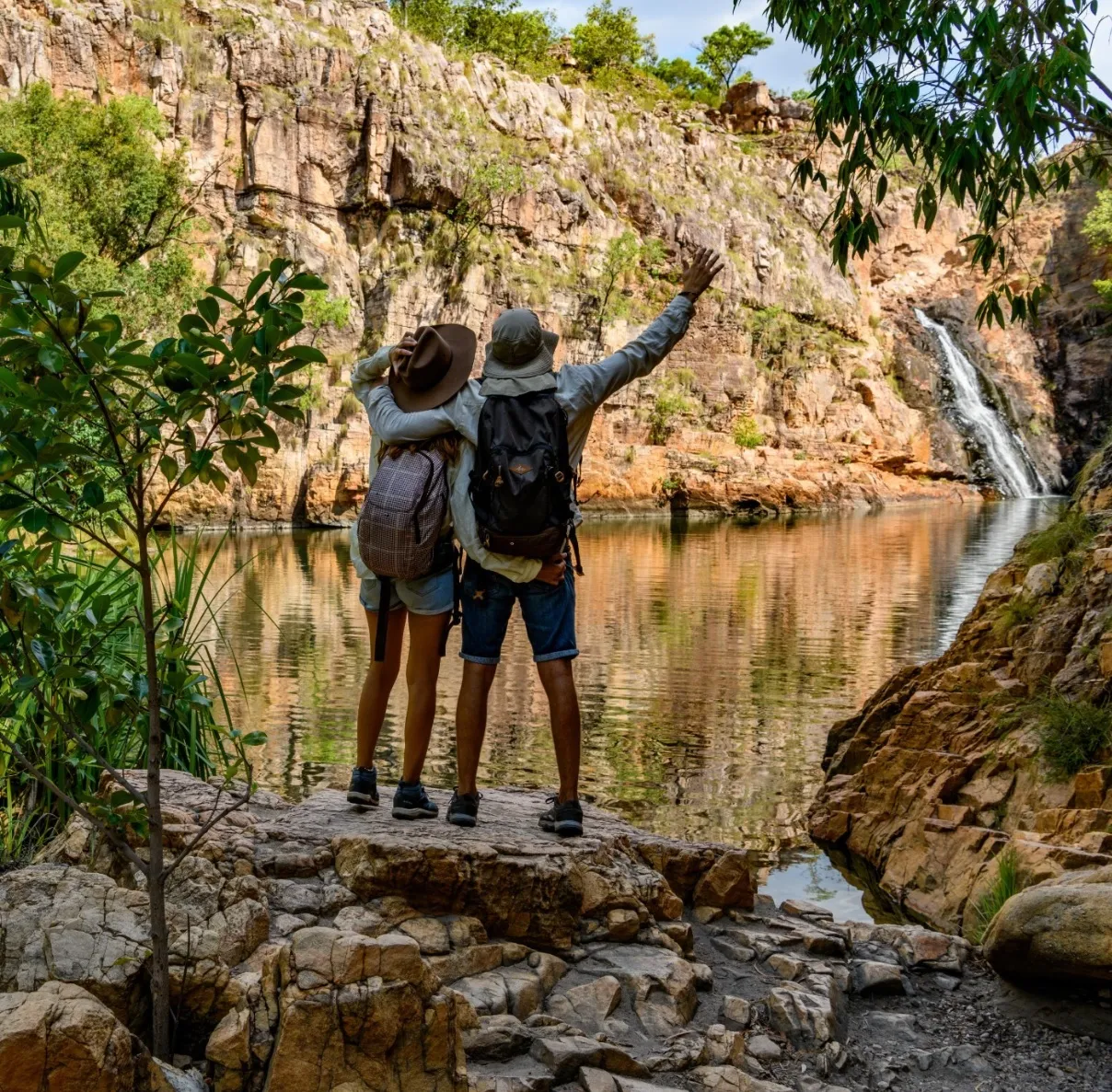
Kakadu National Park will never fail to amaze you and doesn’t matter what your field of photography. Here are a few basics to be aware of.
-
- Wildlife Photography: Kakadu is full of wildlife including the Chestnut-quilled Rock Pigeon. Bird and wildlife and other photography opportunities are great for wildlife and bird shooting as birds and wildlife are abundant.
-
- Photographic Self–Portraits: The terrain is not just a good ‘portrait’ or ‘human figure’ location but a site of conflicted heritages. That’s Evans’s specialty. He doesn’t exist to paint anything else.
-
- Landscape Photography: From the ancient Mamukala wetlands to the extreme i.e. Barramundi Gorge, Kakadu has it all and it’s easy for anyone with a camera. Gorges are deep, sunsets are vibrant and the landscape is as pretty as it is fun with endless opportunities for any photographer including award winning landscape photographers.
-
- Rock Art Sites: The rock art of Kakadu National Park, including Ubirr and Nourlangie Rock, is one of its biggest resources. These rock art sites are one of the tourist attractions where you can photograph the aboriginal cultures and close-up shots of the aboriginal paintings.
Top 10 Places to Photograph in Kakadu
Kakadu National Park, Australia’s pride and a UNESCO World Heritage Site, is all about wilderness and cultural heritage. This park has many interesting places, so it’s a photographer’s paradise.
Yellow Water Billabong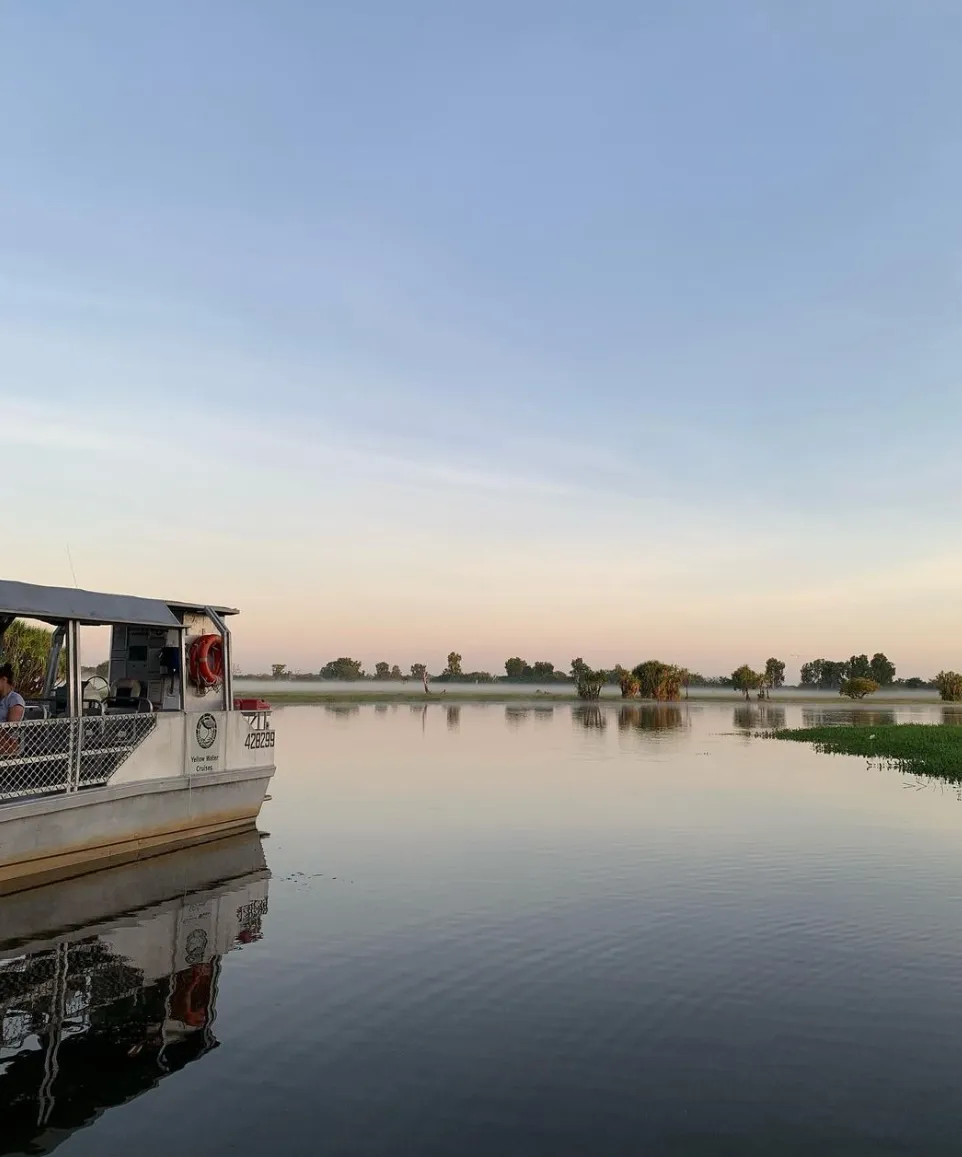
Yellow Water Billabong is a great place to photograph animals in their natural habitat. Go at sunrise or sunset for a visit, as the soft light creates beautiful reflections in the water. This billabong is home to many wildlife, including saltwater crocodiles, water buffalo, and bird species like jabiru and egrets. With the calm atmosphere and beautiful light in the morning or evening, you can get great shots of the wild animals and compositional shots of the peaceful water.
Jim Jim falls, and Twin falls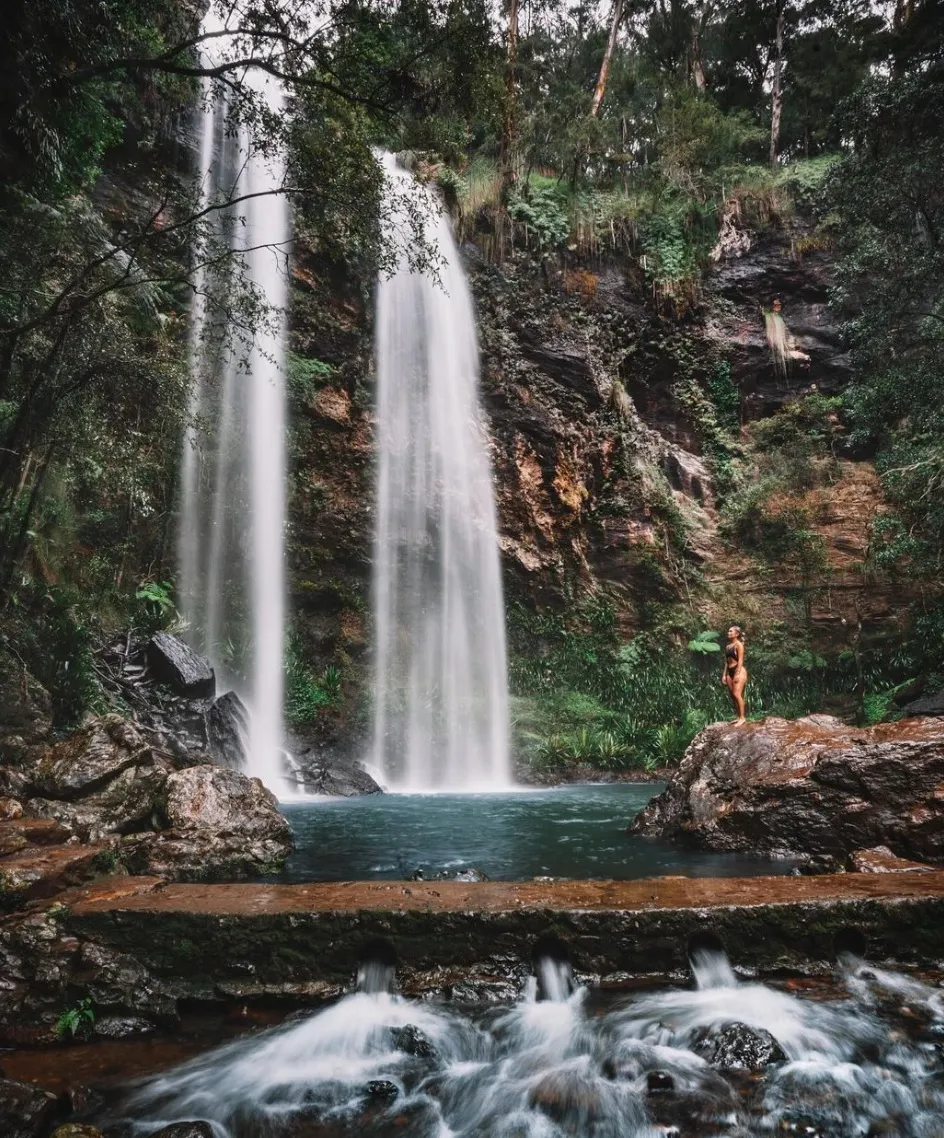
Like the rest of the national parks in Kakadu, Jim Jim Falls and Twin Falls are what make this park unique. With these waterfalls in the park, one way to capture this is in the wet season when the waterfalls are at their most potent and magnificent. One can only imagine the waters falling in a dynamic action with mist being spewed and even rainbows appearing in the cascade. The fall is surrounded by rough terrain that would sabotage the photographer, making them more hungry for nature’s rawness.
Ubirr
Apart from the rock art, Ubirr is famous for its views of the Nadab Floodplain. The area has several rock shelters with beautiful Indigenous rock paintings. When you visit Ubirr, you are struck by the gallery of Aboriginal art and the scale of the floodplain, especially in the late afternoon when the shadows and colours of the rock art stand out. This is a cultural and natural site that has everything for photographers.
Nourlangie Rock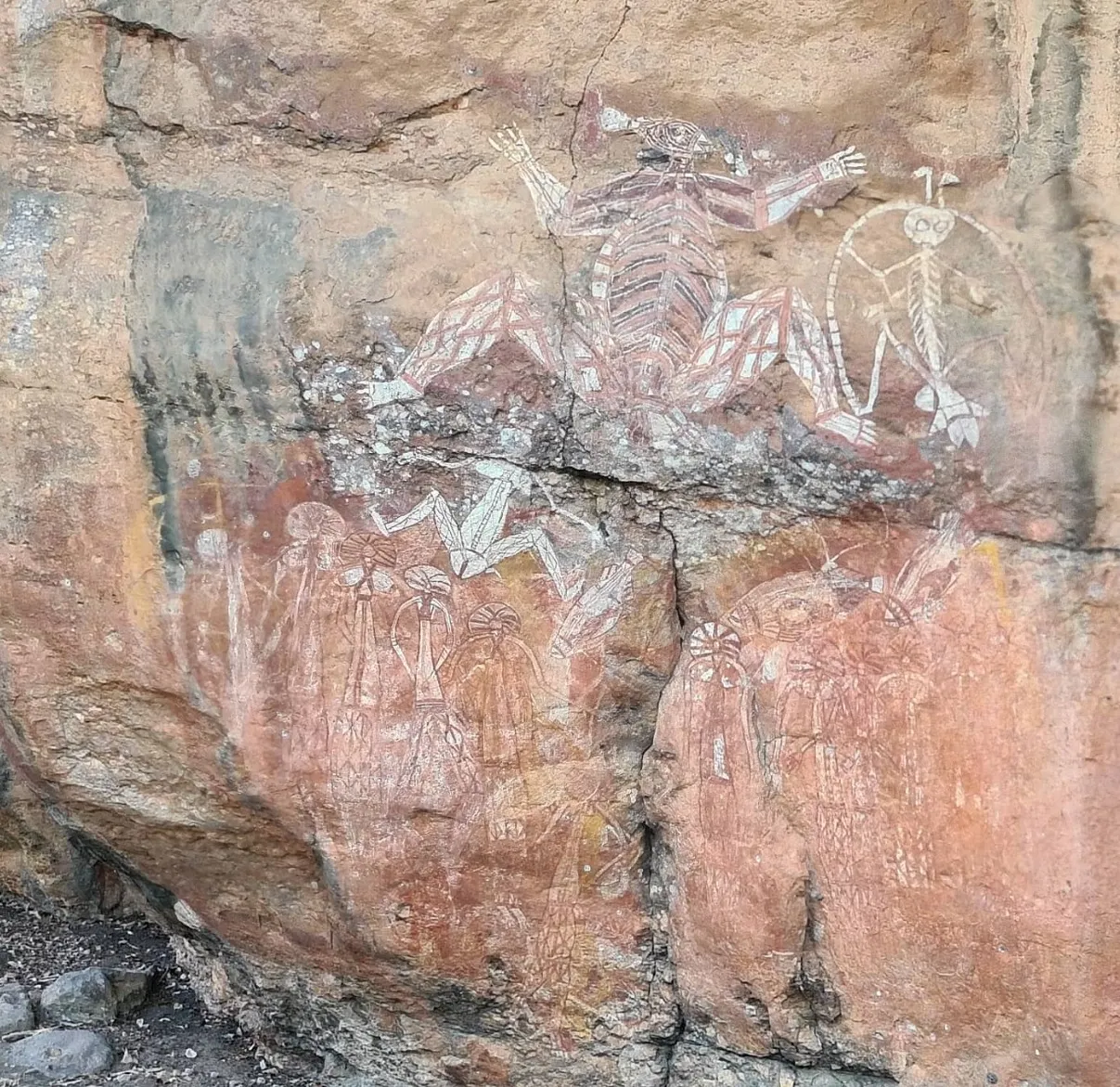
Nourlangie Rock, or Burrunggui, has lots of rock art and landscape opportunities. The rock itself has some amazing Aboriginal rock art featuring extinct animals and traditional ways. The surrounding environment has excellent views of the Arnhem Land escarpment and the plains below. The contrast between the old art and the views is perfect for all the photographers who like to shoot culture and nature.
Moline Rockhole
Moline Rockhole is quite peaceful and beautiful, with clean and cold water and green plants. And I whisper because this rock hole whispers peace and asks for quiet photography. It’s also more appealing to those who want to shoot tranquillity and harmony in the water: the rocks and plants around the water add to the photos.
Anbangbang Billabong
Anbangbang Billabong is the most exciting and colourful for nature photography. One of the features of this billabong is the high birdlife and the changing seasons. The various waterbirds, including magpie geese, purple-crowned fairy-wrens, and other birds that nature photographers look for, are also here, as are the different landscape colours used during the different seasonal activities. Thanks to the still water and the different coloured vegetation, the photos are stunning and full of colour.
Mamukala Wetlands
Kakadu, from a wetlands perspective, is covered in the Mamukala Wetlands area. This area has varying water levels and high birdlife. During the hot season, the birds and green vegetation fill the wetlands, and during the fantastic season, the wetlands dry up, and new opportunities present themselves. The changing patterns and the sheer presence of wild birds mean there’s always work for photographers.
Maguk (Barramundi Gorge)
Maguk or Barramundi Gorge has waterfalls and clear water deep enough to capture action and serenity. The still water with clear ambience and greenery is great, and you can shoot dynamic water and peaceful nature pools. Shooting water and in between that still water is endless.
Motor Car Falls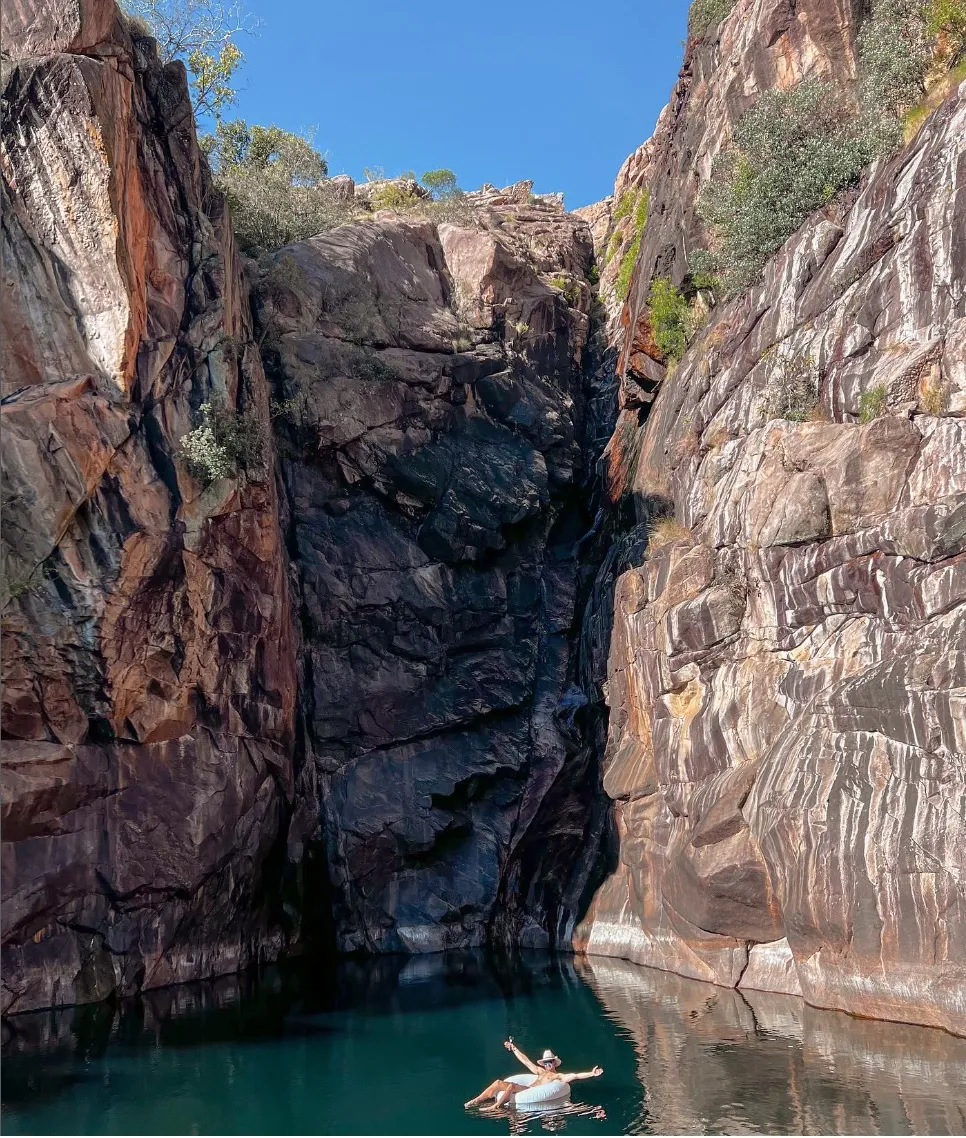
Motor Car Falls is very beautiful and nice. It looks like a car dash as a waterfall. The falls with a thick green belt are attractive and good for movement and nature photography. The waterfalls on a rock wall as a series of plunging water sheets. What a good excuse to try out all the different shutter speeds and angles the falls have to offer in capturing all the scenes the falls can give.
Warradjan Aboriginal Cultural Centre
The Warradjan Aboriginal Cultural Centre provides citizens and visitors the opportunity to experience the Indigenous culture in Kakadu National Park. The centre has many exhibits and cultural objects about the traditional owners of the park. If you are into photography, you can take photos of the objects and exhibits and learn about the traditions and history of the Aboriginal people. The cultural and informational content of the centre’s building itself also records the cultural heritage of the area.
Table: Best Times for Photography at Key Locations
| Location | Best Time to Visit | Key Photography Tips |
|---|---|---|
| Yellow Water Billabong | Sunrise, Sunset | Capture reflections and wildlife activity. |
| Jim Jim Falls | Wet Season | Use a wide-angle lens for full waterfall shots. |
| Ubirr | Sunrise, Sunset | Shoot panoramic views and rock art details. |
| Nourlangie Rock | Morning, Afternoon | Focus on rock art and scenic views. |
| Moline Rockhole | Anytime | It is ideal for serene water and nature shots. |
| Anbangbang Billabong | Early Morning | Capture birdlife and vibrant landscape colours. |
| Mamukala Wetlands | Late Afternoon | Photograph birds and changing water levels. |
| Maguk | Morning | Use a polarizer to reduce glare on water. |
| Motor Car Falls | Anytime | Capture the unique shape and flow of the falls. |
| Warradjan Cultural Centre | Anytime | Focus on cultural artifacts and exhibits. |
Kakadu is the best place to visit for any kind of photography, whether it be landscape, wildlife, or culture. From the sun and warm weather in the dry season to the lush greenery in the wet season, Kakadu is perfect for taking great shots and capturing the essence of the Australian bush. If you are a nature lover or an award-winning landscape photographer, you won’t be disappointed with the images stored in Kakadu’s diverse landscape. Enhance your photography adventure by embarking on one of the many Kakadu tours from Darwin, which offer convenient access to this photographer’s paradise directly from the city.