
Letting the dust — and all that other stuff — settle before we dive into Where to see animals in the Yarra Valley, I can tell you this: the region is hands-down one of the easiest places to meet native wildlife without trekking into the outback. I’m Paul Beames, and after years of taking travellers on winery tours through the Yarra Ranges, I’ve figured out that spotting critters here is all about getting your timing right, keeping quiet, and knowing which little pockets of bush come alive once the sun dips behind the mountain ash trees. If you’re after straight-up guidance and not glossy brochure talk, you’re in the right place.
The Tall Giants That Define This Landscape
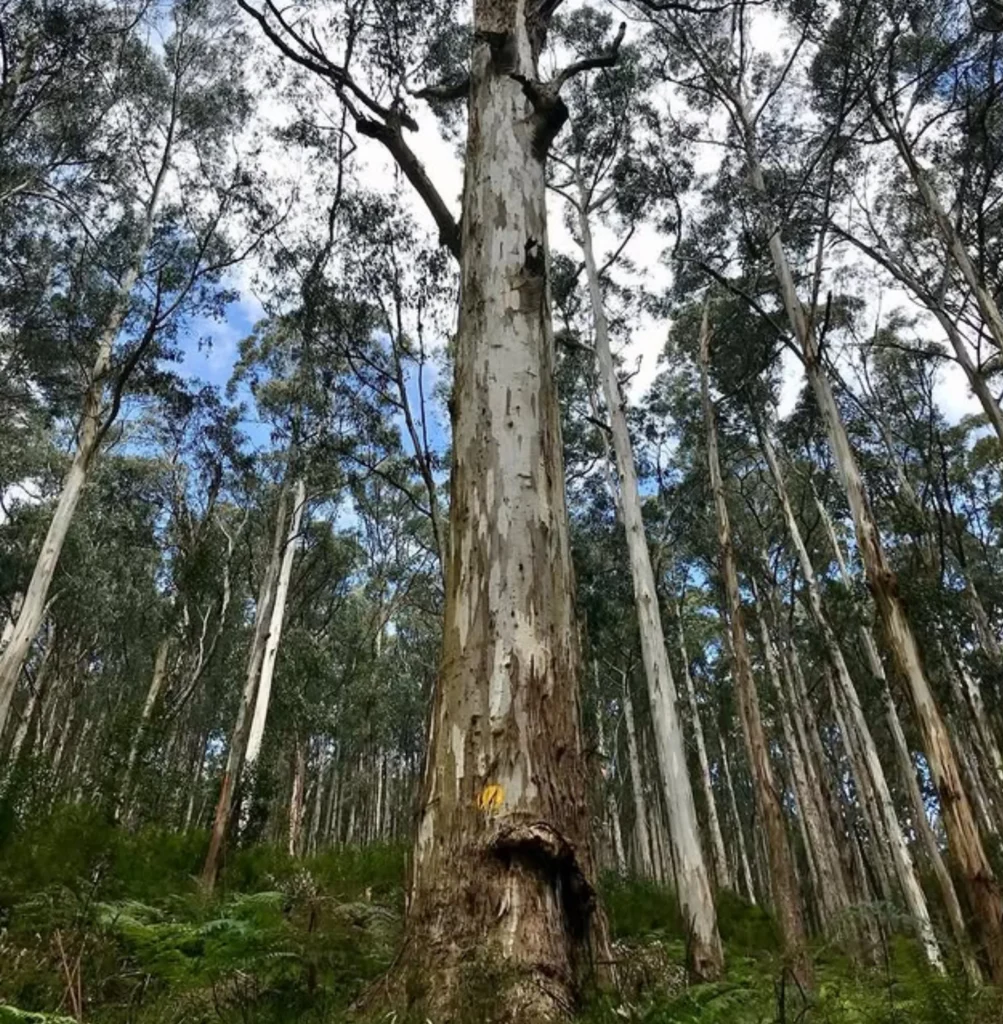
These aren’t backyard gums — these are record-breaking giants, slope-huggers and rainfall lovers that make up the backbone of the region’s forest identity.
Mountain Ash: The Valley’s Towering Icon
Mountain ash (Eucalyptus regnans) dominates the higher rainfall parts of the Yarra Ranges. These giants shoot up 80–100 metres — the tallest flowering plants on Earth. Their smooth pale bark sheds in ribbons, leaving the whole forest smelling fresh after storms.
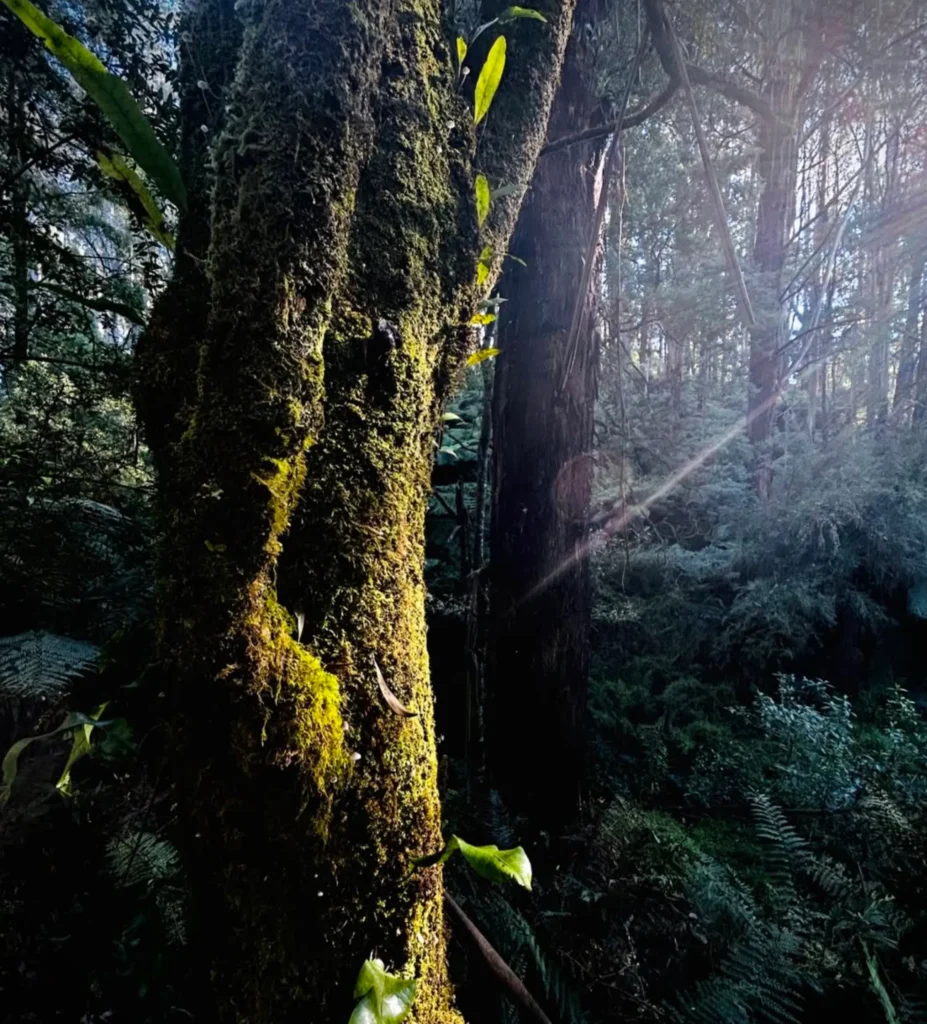
Myrtle Beeches: The Shade-Loving Elders
In the deep gullies around Warburton you’ll find myrtle beeches draped in moss. Cooler, darker, damp — a proper cool-temperate rainforest.
Brown & Mealy Stringybark and Apple Box
The mid-slopes between Healesville, Toolangi and the Cathedral Ranges are home to stringybarks and apple box — tough-barked species built for fire, home to rosellas, kookaburras and cockatoos.
Mountain Swamp Gum
Mountain swamp gum thrives along the wetter creek lines — hollows for owls and possums, insect life for birds, and a sign you’re close to flood-zone country.
Reading the Landscape Through Its Trees
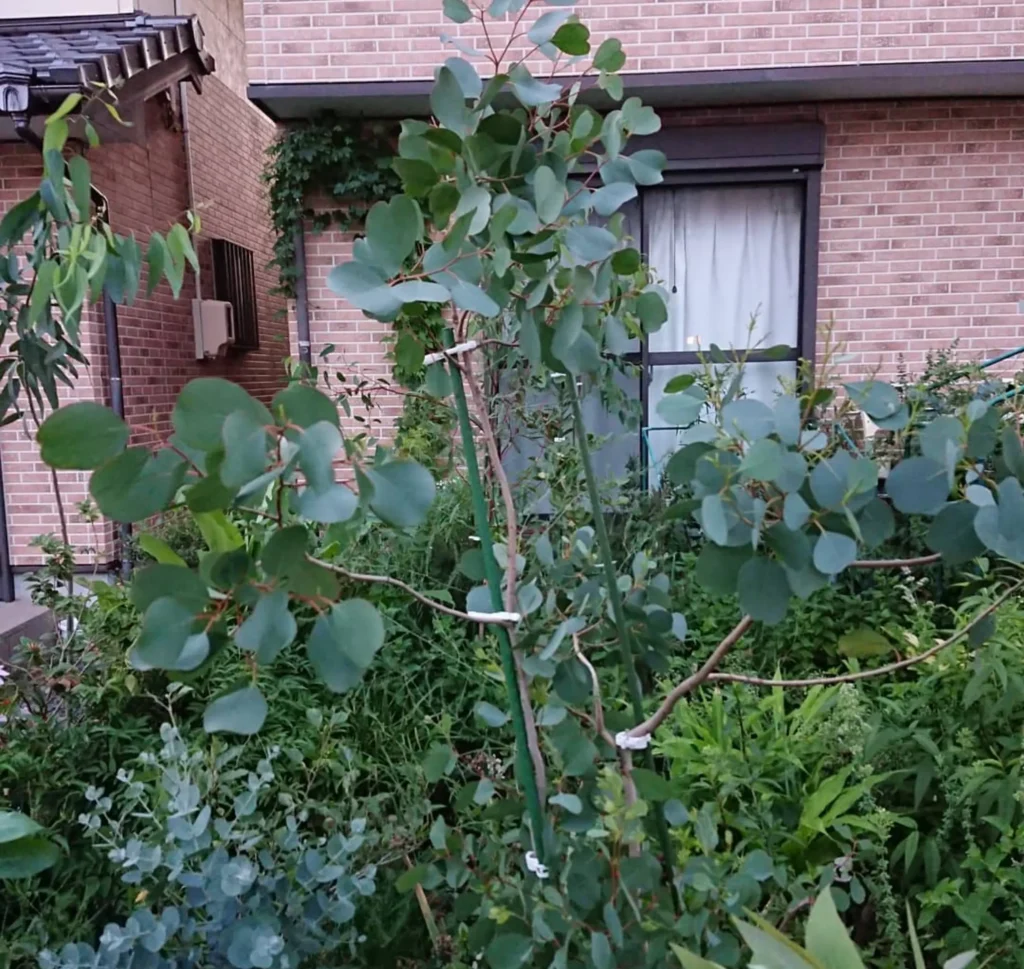
Once you know the signs, the Yarra Valley forest reads like a map — altitude shifts equal species shifts.
- High altitude: mountain ash, myrtle beech, tree ferns
- Mid-elevation: messmate, stringybark, swamp gum
- River flats: manna gum, wattles, apple box
Key Tree Species (Quick Table)
| Tree Species | Typical Height | Location | Clues |
|---|---|---|---|
| Mountain Ash | 60–100 m | Black Spur, Donna Buang | High rainfall, cool microclimate |
| Manna Gum | 25–50 m | Healesville, Yarra Glen | Classic koala habitat |
| Messmate | 30–50 m | Mid-valley | Dry sclerophyll forest |
| Blackwood Wattle | 10–20 m | Creek lines | Nitrogen-rich soils |
| Tree Ferns | Up to 15 m | Warburton, O’Shannassy | Shade-loving, moisture dependent |
Where to Find the Valley’s Best Tree Country
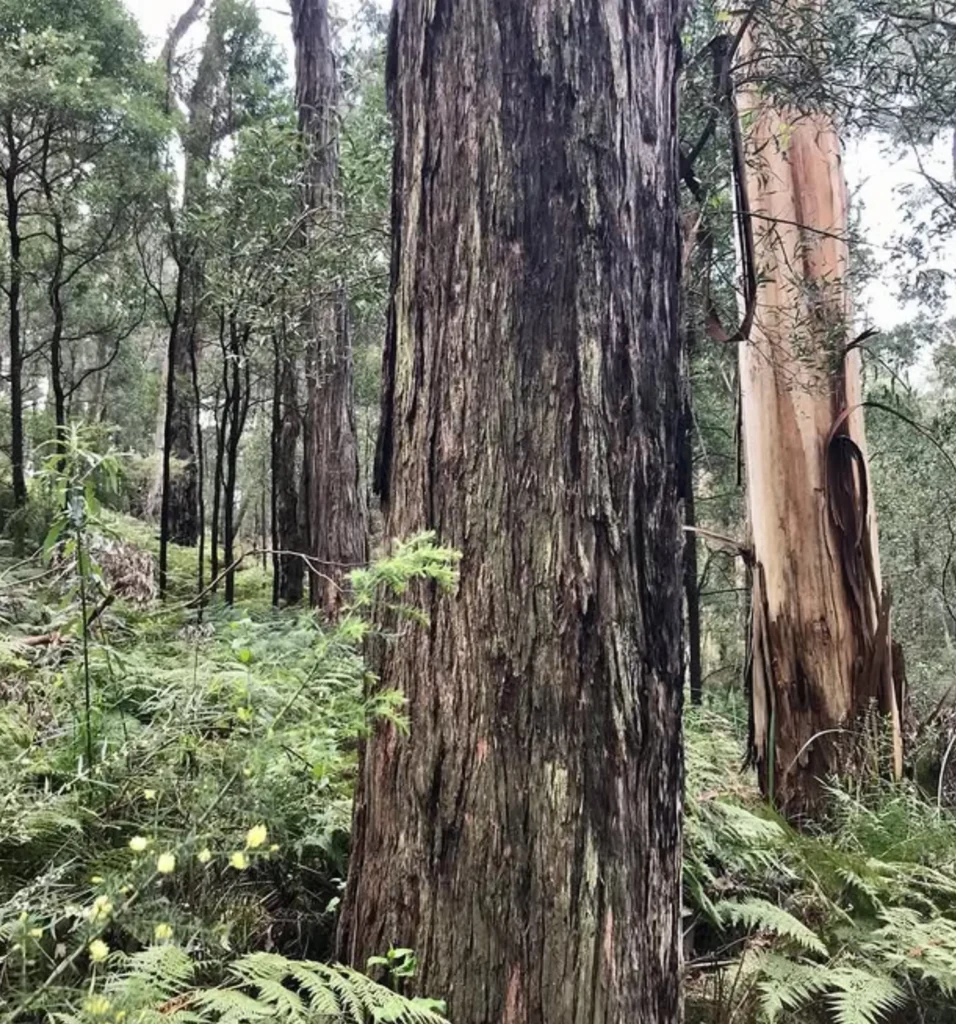
These forest pockets aren’t random — they’re the best examples of raw, living landscape.
Black Spur Drive
A dawn run through towering mountain ash — a cathedral of trees and fog.
Yarra Ranges National Park
Biodiversity central. Think moss, ferns, old giants and shifting vegetation zones.
Healesville to Toolangi
A blend of wet and dry forest — fast changes in species as you move between ridges and gullies.
Local Tips for Understanding the Trees
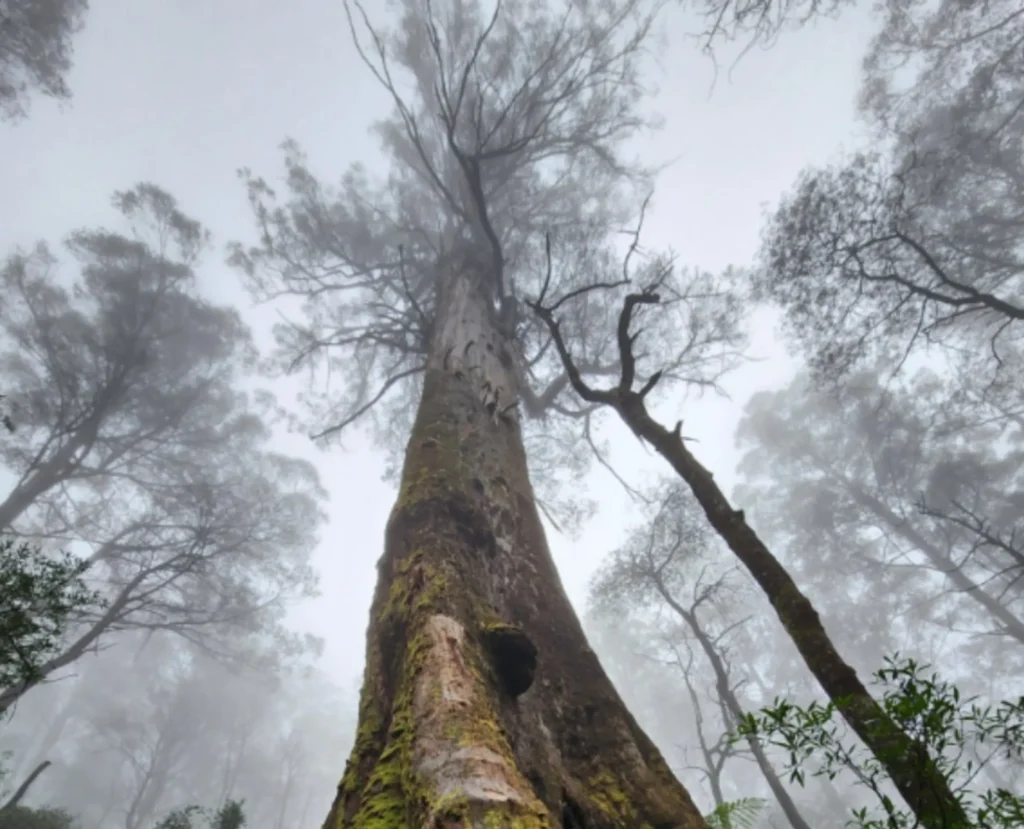
- Bark tells the truth — stringybark = rough; manna gum = smooth patches; mountain ash = peeling ribbons.
- Bird calls are clues — lyrebirds = wet forest; cockatoos = drier bush.
- Go after rain — the colours pop, moss glows, bark darkens.
FAQ
Are all the trees in the Yarra Valley native?
Mostly — but township plantings and the Cement Creek redwoods are introduced.
Why are the trees so tall on the Black Spur?
Perfect conditions: deep soils, high rainfall and cool temperatures.
Where is the safest place to go after rain?
Managed tracks in Yarra Ranges National Park — faster drainage and safer footing.
Where can I see koalas in manna gums?
Healesville, Badger Creek and Yarra Glen — especially at sunrise.
Are tree ferns protected?
Yes — removing fronds or damaging them can lead to fines.