
Letting the coastal trade winds rattle my hat brim as I ease into, Is Cairns or Port Douglas better for the Great Barrier Reef?, I’m taken straight back to those early guiding days when I was bouncing between both spots on back-to-back reef runs from the Reef Fleet Terminal in Cairns and Crystalbrook Superyacht Marina in Port Douglas. You learn fast up here in Far North Queensland — the wet season doesn’t muck around, Saltwater Crocodiles lurk around mangrove areas, and choosing the wrong departure port can mean an extra hour on choppy seas you didn’t need to cop. But once you’re out over those Outer Reef bommies, watching marine life dart under the hull and Maori Wrasse bump around like nosy neighbours, the whole Cairns vs Port Douglas debate fades into blue water.
Cairns: Go-To for Large Reef Tours
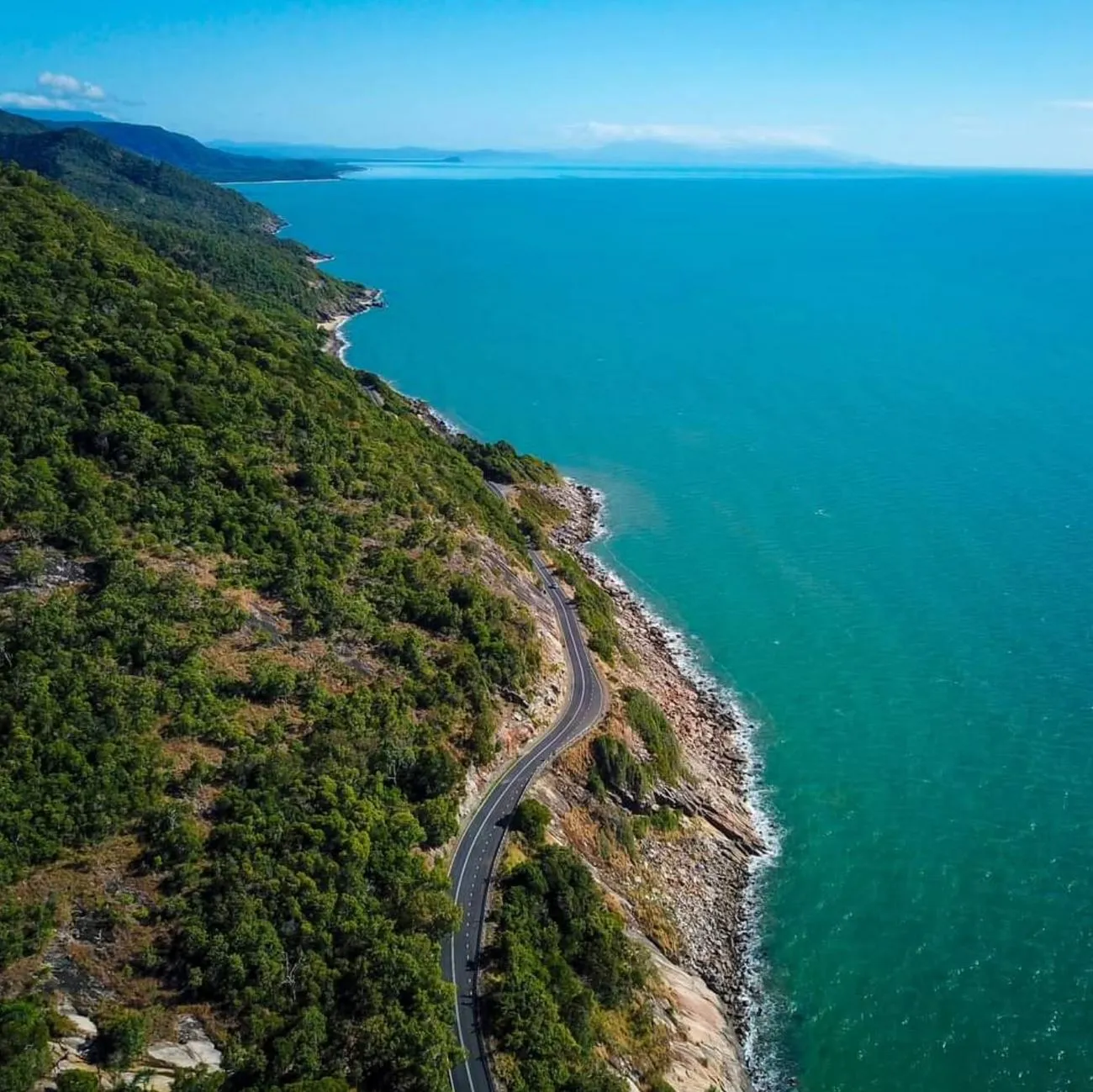
You choose Cairns when you want choice — big dive operators, fast vessels, glass-bottom boat tours, reef experience tours, and all the bells and whistles. Cairns International Airport and Cairns Airport make it the main gateway to the UNESCO World Heritage-listed Great Barrier Reef and the surrounding Daintree Rainforest region. It’s the engine room of reef tourism, and you feel that the moment you hit the marina at 7:30 am — packed like sardines but buzzing.
Cairns suits travellers who want:
- More daily departures
- Big boats that handle rougher seas
- Activity-packed itineraries (pontoons, marine biologists, semi-subs)
- Easy access from hotels like Crystalbrook Riley or Gilligan’s Backpackers
- Short hops to Fitzroy Island, Michaelmas Cay, and Norman Reef
When I ran tours out of Cairns, I loved the efficiency — wake up, grab a coffee, walk to the Reef Fleet Terminal, and within 90 minutes you’re over Moore Reef or Breaking Patches with a mask on.
Best Things About Cairns for Reef Travellers
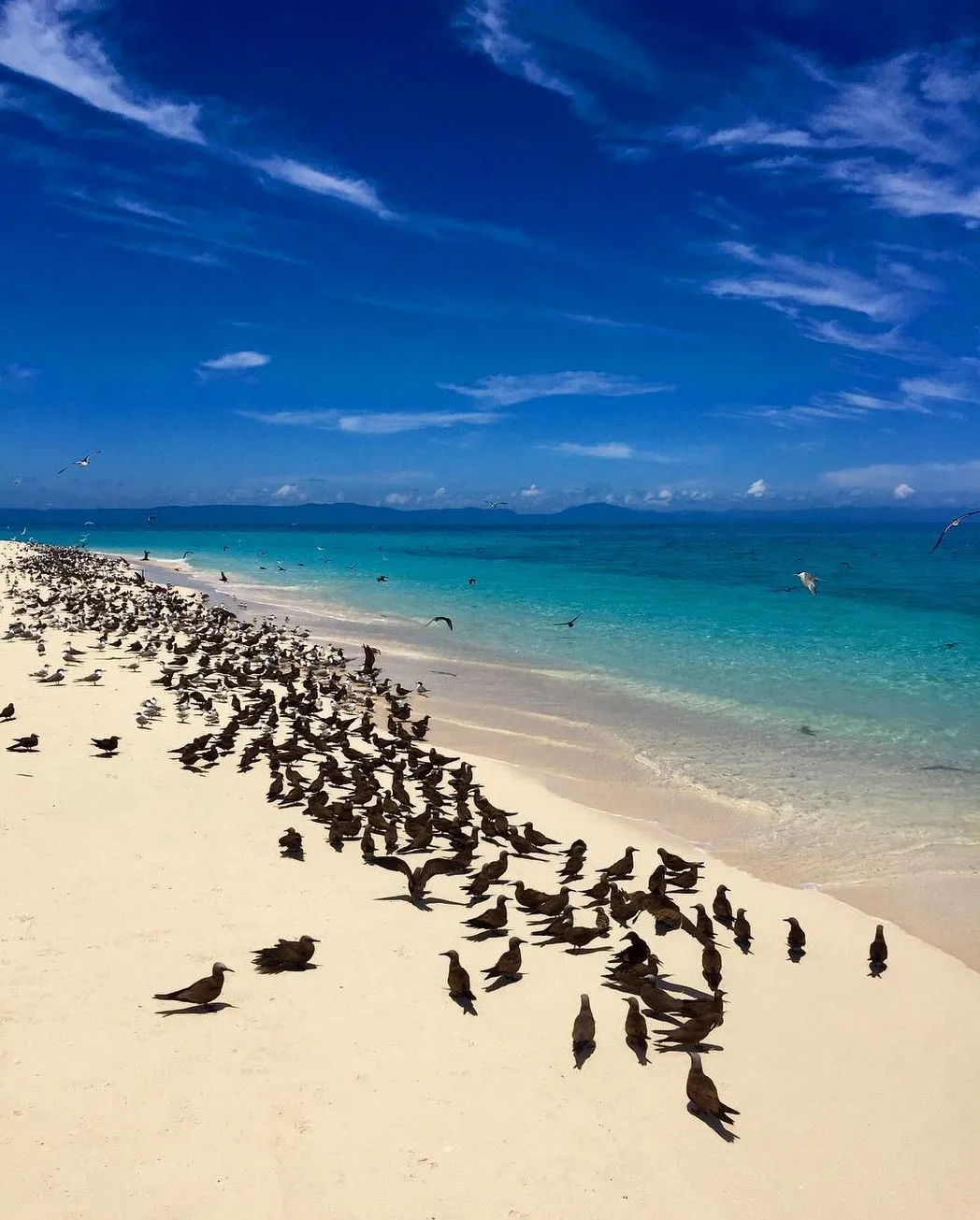
Cairns gives you a variety you won’t find anywhere else in the region. From family-friendly pontoons to liveaboard diving expeditions loaded with dive gear, it’s built for everyone.
What you can expect from a Cairns reef day:
- Bigger, faster boats for stability
- Outer Reef pontoons at Moore Reef and Norman Reef* Scuba diving for beginners with gear included
- Inner Reef trips to Michaelmas Cay
- Closest to beaches: Palm Cove, Ellis Beach, Esplanade Lagoon
If you want it all sorted and easy — especially in shoulder season — go to Cairns.
Cairns Reef Stats at a Glance
Here’s a quick comparison table using typical travel data used in marine tourism planning:
| Feature | Cairns | Port Douglas |
|---|---|---|
| Average travel time to Outer Reef | 90 min | 70–90 min |
| Number of daily reef departures | 30+ | 12–15 |
| Typical vessel size | 20–300 pax | 12–150 pax |
| Access to pontoons | Yes | Limited |
| Price range | $140–$370 | $180–$450 |
| Nearby attractions | Kuranda Scenic Railway, Skyrail Rainforest Cableway, Crystal Cascades, Tjapukai Aboriginal Cultural Experience | Daintree Rainforest, Mossman Gorge, Four Mile Beach, Wildlife Habitat Port Douglas |
| Best for | Families & activity-seekers | Photographers & quieter travel |
Quiet Reef Access Up the Coast
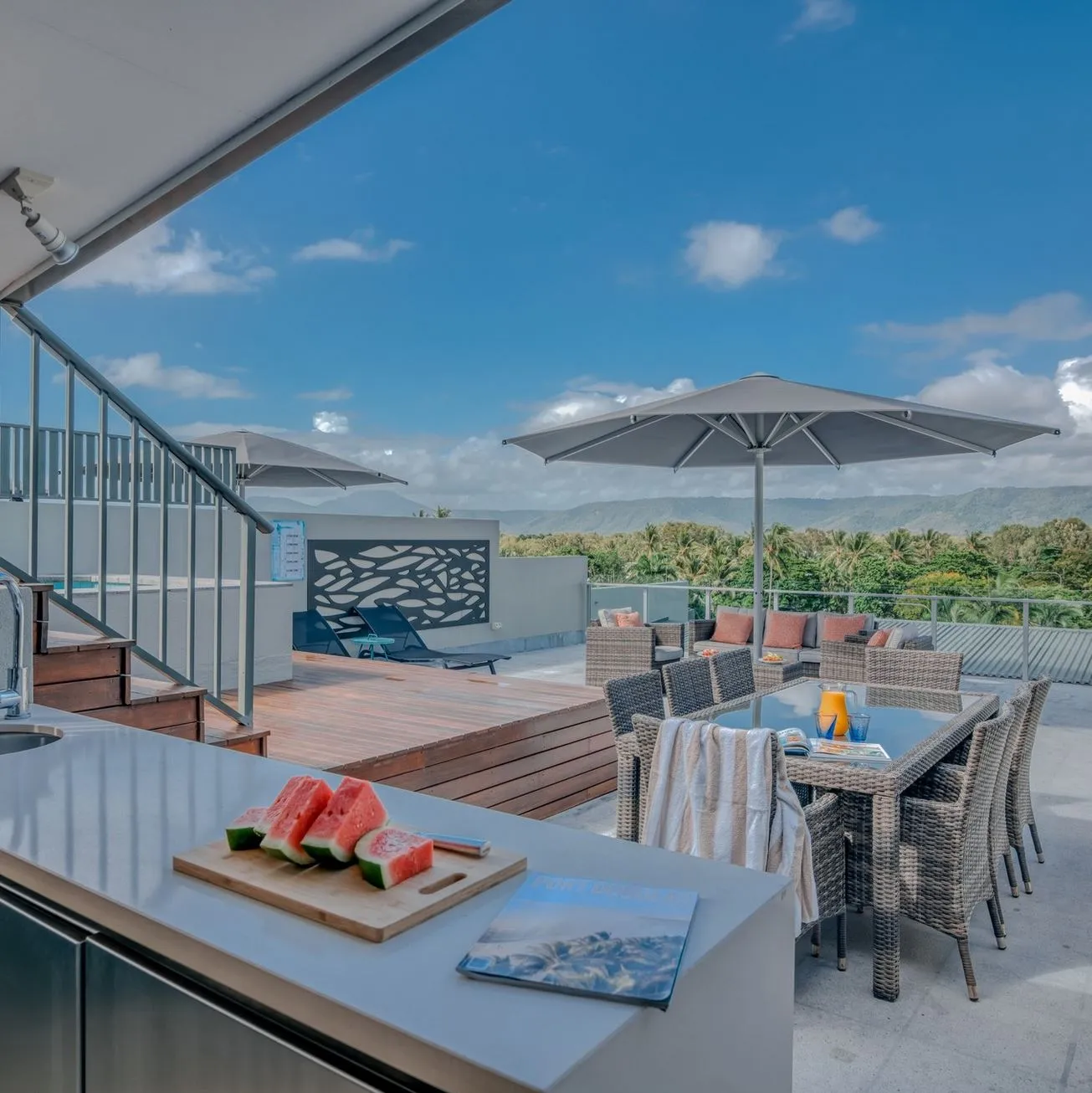
Port Douglas is where you go when you want a more relaxed launch point into the reef. The marina is calmer, the crowds thinner, and the vibe is “slow down, mate — you’re in the tropics now”. The Daintree is up the road, and Four Mile Beach is a short stroll away, and the operators tend to lean toward smaller, more boutique operations.
If you’ve got a partner who wants a peaceful reef day with fewer elbows in the buffet line, Port Douglas is the call.
You’ll still reach the outer reef — Agincourt Reef is the star out here — but you’ll usually do it with fewer people, a calmer departure and a different crowd.
Best Things About Port Douglas for Reef Travellers
When I’m travelling with mates or my partner, I head north to Port Douglas. Boats tend to be smaller, and operators like Sailaway Port Douglas, Quicksilver Cruises, Quicksilver Diving, and ABC Diving lean boutique, and the snorkelling is top tier.
What you can expect from a Port Douglas reef day:
- Smaller vessels (40–80 pax)
- Snorkel-focused itineraries at Opal Reef, Hasting Reef and Agincourt Reef
- Quieter marina mornings
- Professional photography conditions
- Closer access to the Low Isles for relaxed half-days
If you’re after reef clarity, calm vibes and a more refined base — Port Douglas is the pick.
A Quick Yarn From the Skipper’s Deck
Years ago, guiding a group out of Port Douglas, we had a pair of curious reef sharks tailing us at the back platform. They weren’t aggressive — just doing their morning rounds. One guest asked, “Should we be worried?”
The skipper chuckled:
“Nah, mate — if they wanted you, they’d have booked ahead.”
That’s the Port Douglas vibe. Calm. Confident. Quietly knowledgeable.
Which One Has Better Reef Conditions?
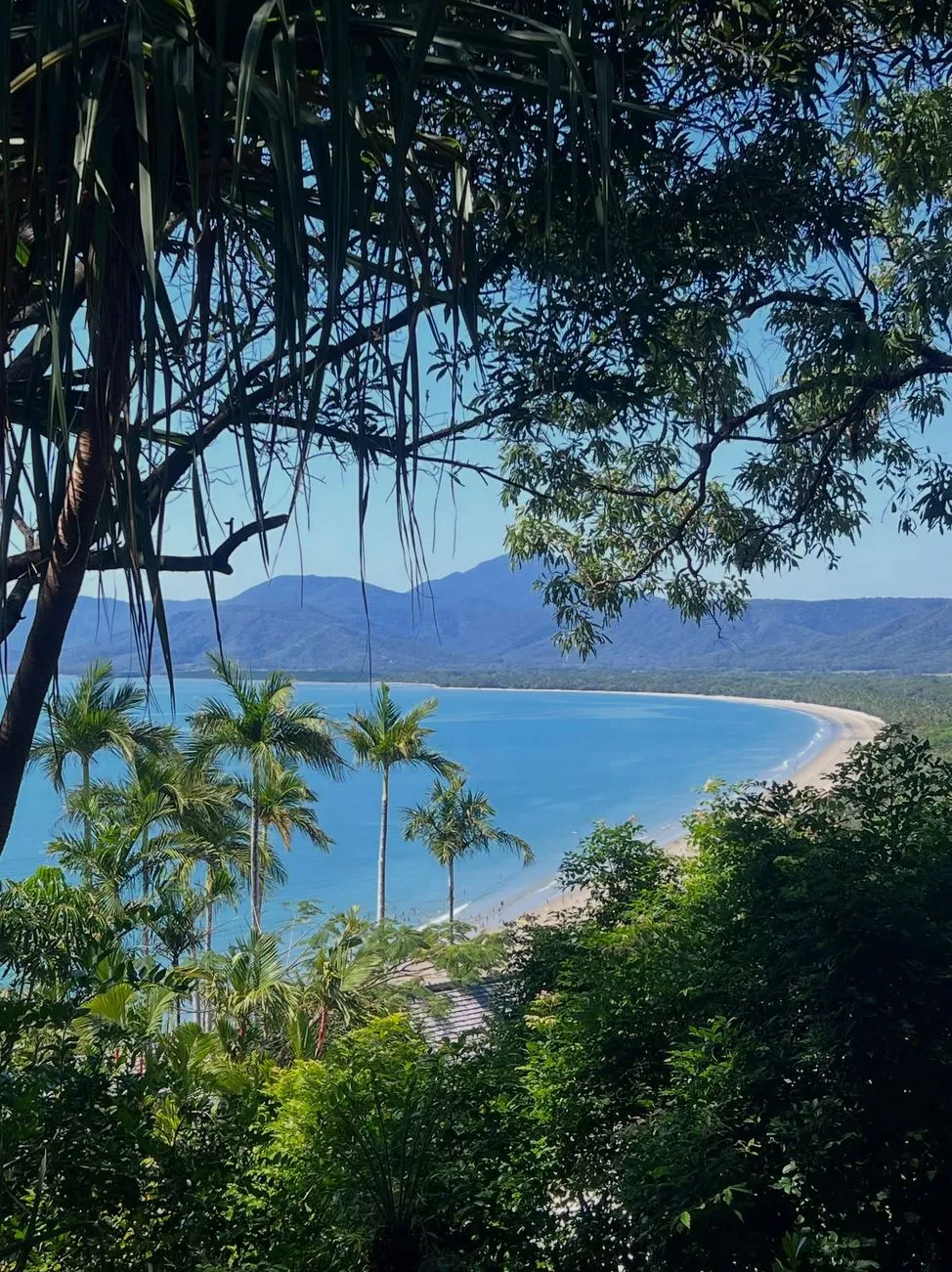
Both Cairns and Port Douglas access the same marine region — the northern section of the Great Barrier Reef Marine Park. Conditions day-to-day depend on:
- Wind direction
- Tides
- Recent rain or runoff
- Operator choice of site
- Wet vs dry season
- Coral bleaching recovery in specific zones
In my experience:
- Port Douglas often has clearer snorkelling on calm-weather days.
- Cairns has more stable vessels during windy periods.
- Agincourt (Port Douglas) is the standout for coral walls and visibility.
- Moore Reef & Norman Reef (Cairns) is good all-round snorkelling and diving.
Neither wins outright — your weather window is the real boss.
Which Should You Choose in the Wet Season?
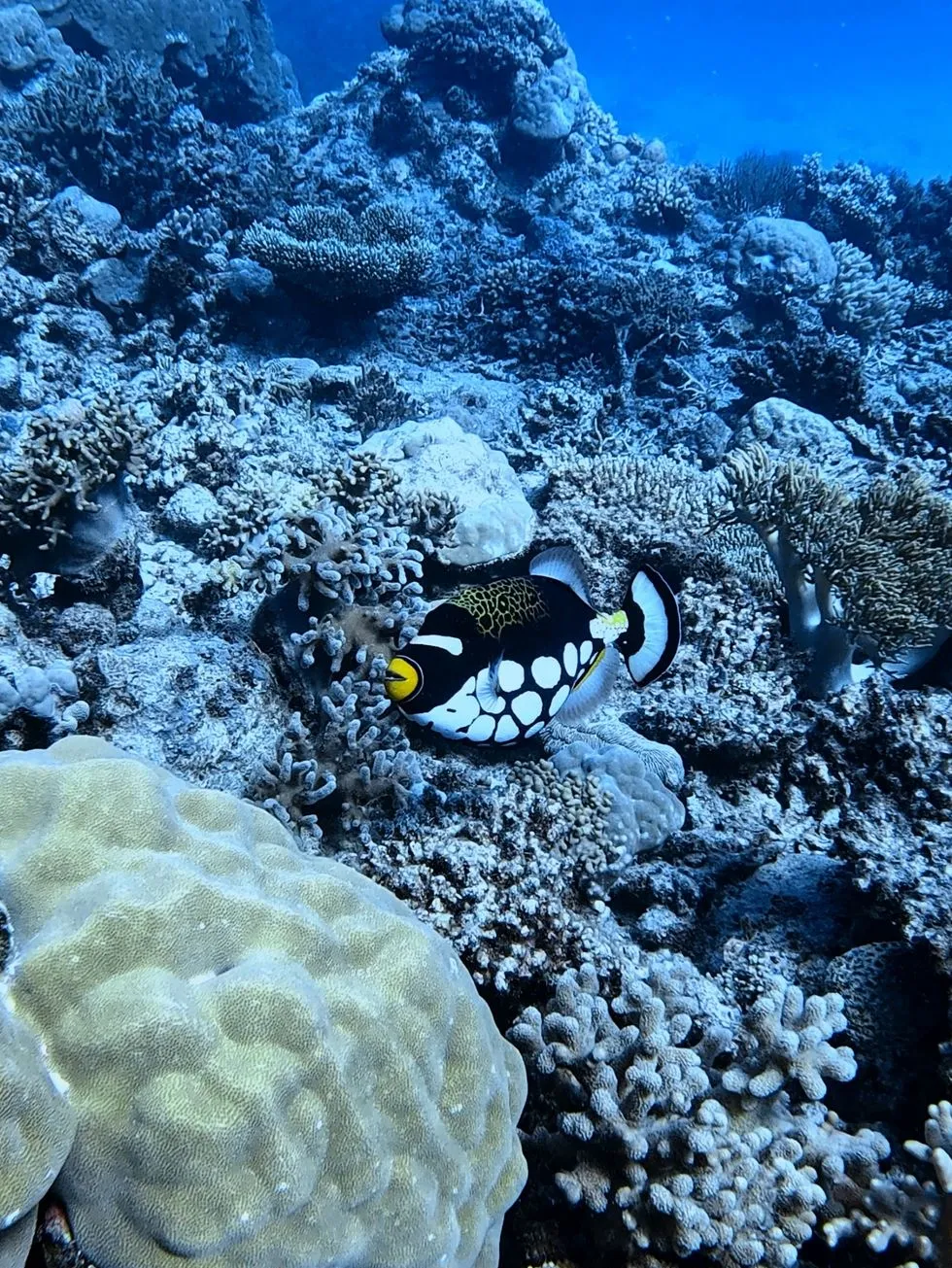
Wet Season Truth Bomb (Nov–Apr):
It’s hot, it’s humid, and storms can roll in like a grumpy old bull. Seas get sloppy in the afternoons, and visibility can drop after significant rain.
From November to April:
- Cairns is better for big, stable boats that handle wind.
- Port Douglas can be magic on calm mornings but rougher when the northerlies kick in.
If seasickness is a worry, stick with Cairns — especially if you’re booking through a large operator pool like Great Barrier Reef Tours.
Which One to Choose in the Dry Season?
Dry season (May–Oct) is the reef’s best time — calm seas, cool mornings and water as clear as a freshly rinsed mask.
In the dry:
- Port Douglas is often crystal clear and calm for snorkelling
- Cairns is still good but busier
- Photography conditions are excellent in both
Local Tips from the Road (and Sea)

Here’s the stuff the brochures don’t tell you:
Croc advice
- Don’t swim off beaches like Four Mile Beach or Ellis Beach outside stinger nets.
- Salties love mangrove zones near river mouths.
Gear
- Bring an underwater camera for shots of marine life.
- Use dive etiquette: don’t touch coral, keep your fins up and stay buoyant.
Transport
- Captain Cook Highway may close after floods—allow extra time for early departures.
Accommodation landmarks
- Cairns: Crystalbrook Riley, Oaks Cairns Hotel
- Port Douglas: Sheraton Grand Mirage Resort, Ramada Resort, Oaks Lagoon Resort
Nearby rainforest
- Add a day for Mossman Gorge, Cape Tribulation or a Daintree Forest lodge like Silky Oaks Lodge or Thala Beach Nature Reserve.
FAQ
Which town has better snorkelling?
Port Douglas wins for snorkelling clarity at Agincourt Reef, but Cairns’ Moore Reef and Norman Reef are good too.
Is Port Douglas worth the drive from Cairns?
Yes — especially if you want quiet reef days or Daintree Rainforest.
Is Cairns cheaper for reef trips?
Yes, more operators and smaller vessels.
Which town has better family options?
Cairns — pontoons, semi-subs and Fitzroy Island day trips.
Can you heli over the reef from both?
Yes — helicopter ride add-ons available from Cairns and Port Douglas.