
Loads of homeowners scratch their heads and wonder: “Can you use WD-40 to clean solar panels?” – and at first glance, it seems like a pretty nifty trick to keep your home solar system in top shape. But, as it turns out, it’s actually a bit of a cheat that can backfire big time. I mean, we all know WD-40 is a lifesaver for creaky door hinges or rusty old bolts – but its relationship with delicate solar power glass is a whole different ball game. At Window Cleaning Melbourne Crew, we’ve seen the damage people can do to their solar panels by trying this DIY quick fix—not only can it reduce panel efficiency, but it can also leave them caked in sticky residue and, worse still, void your warranty.
What Happens When You Spray WD-40
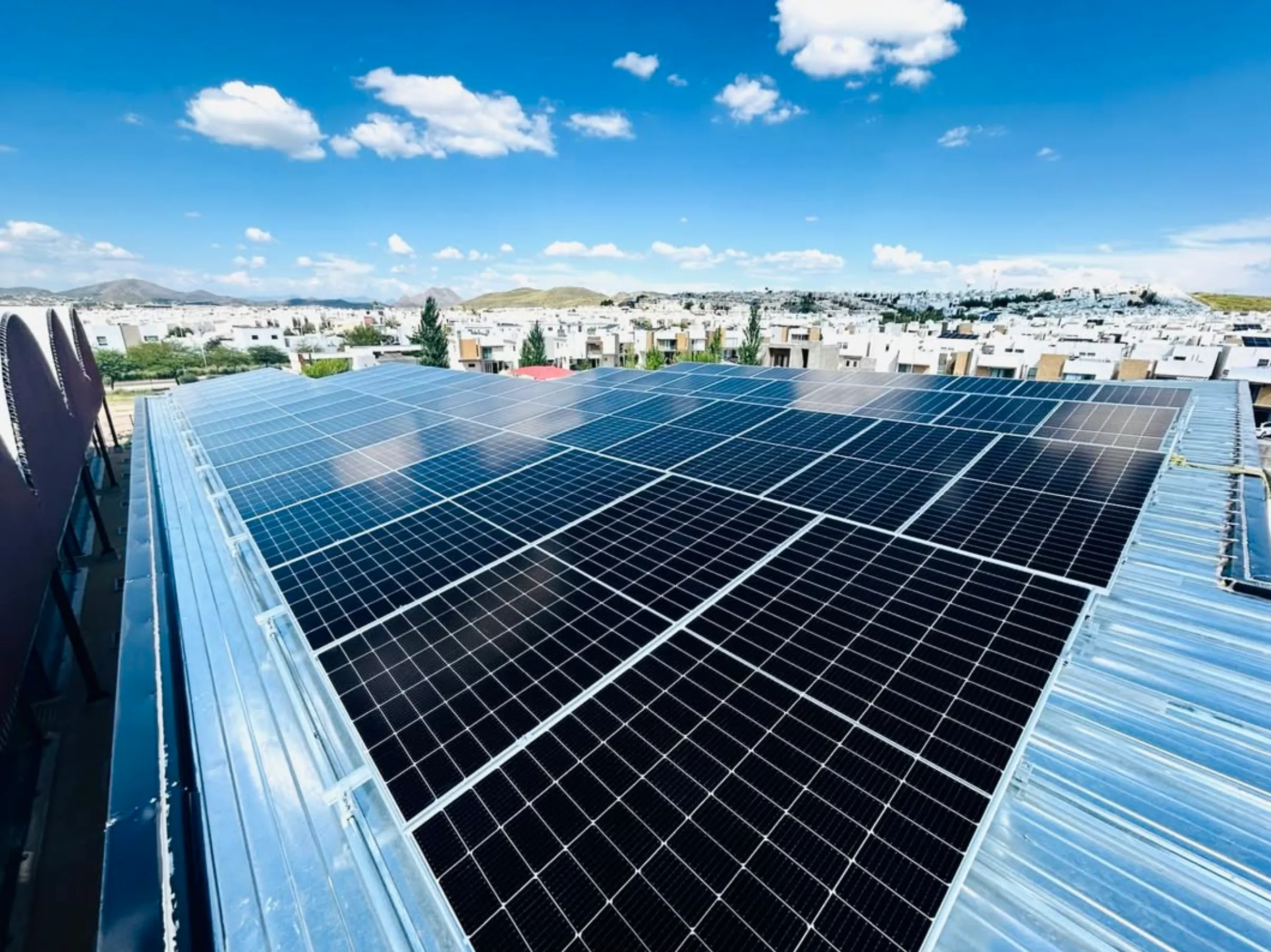
When WD-40 is sprayed onto solar glass, it leaves behind a greasy film that dulls the panel’s surface and reduces its ability to capture sunlight. It’s a bit like slapping sunscreen on your panels – except it blocks the energy instead of protecting against it. And that residue is like a magnet for all sorts of muck – dust, pollen, and especially salt, if you live near the coast.
The tests show that using WD-40 can cut your solar power production on the affected panels by as much as 10% – which, over time, is a lot of lost power… and lost dollars on your power bill.
Why Pros Avoid WD-40
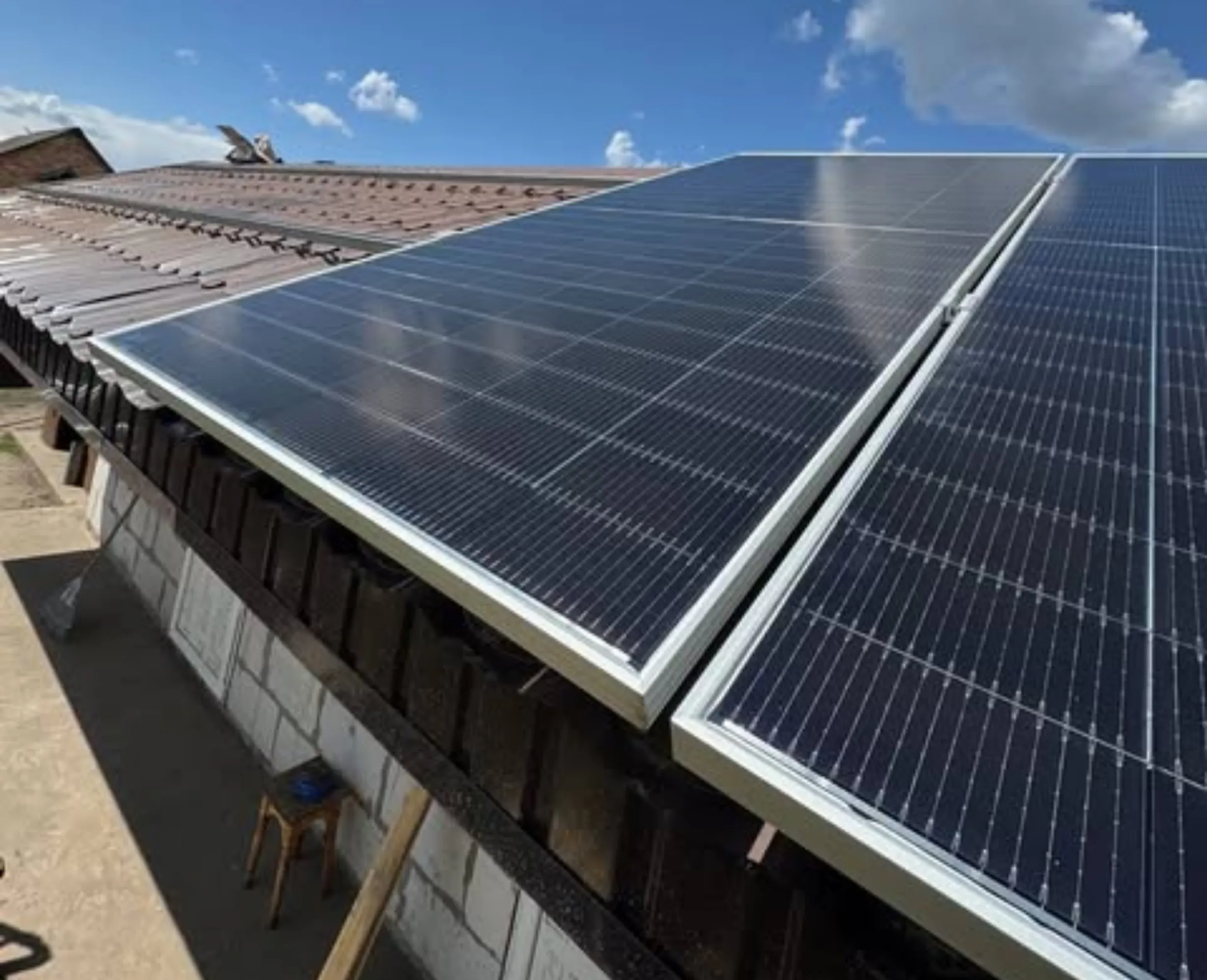
Major solar installation brands like LG Energy and SunPower make it pretty clear that using petroleum-based sprays like WD-40 is a bad idea. These things can damage the anti-reflective coatings, soften the silicone seals and even start to corrode the frame and wiring.
| Panel Component | Risk from WD-40 | Impact on Performance |
| Glass coating | Dissolves anti-reflective film | Reduces light transmission |
| Panel seals | Breaks down silicone bonding | Leads to moisture ingress |
| Frame junctions | Loosens corrosion barriers | Increases the risk of rust |
| Wiring & connectors | Attracts dust + oil | Fire and insulation hazard |
All this knocks back the efficiency and reliability of solar panels and leaves them vulnerable in the long run. And in Australia, where the Clean Energy Council has rules in place, using chemicals not approved by them can even void your warranty – a nightmare for anyone, especially in these tough climate times when every single bit of power counts.
Alternatives That Really Do Work
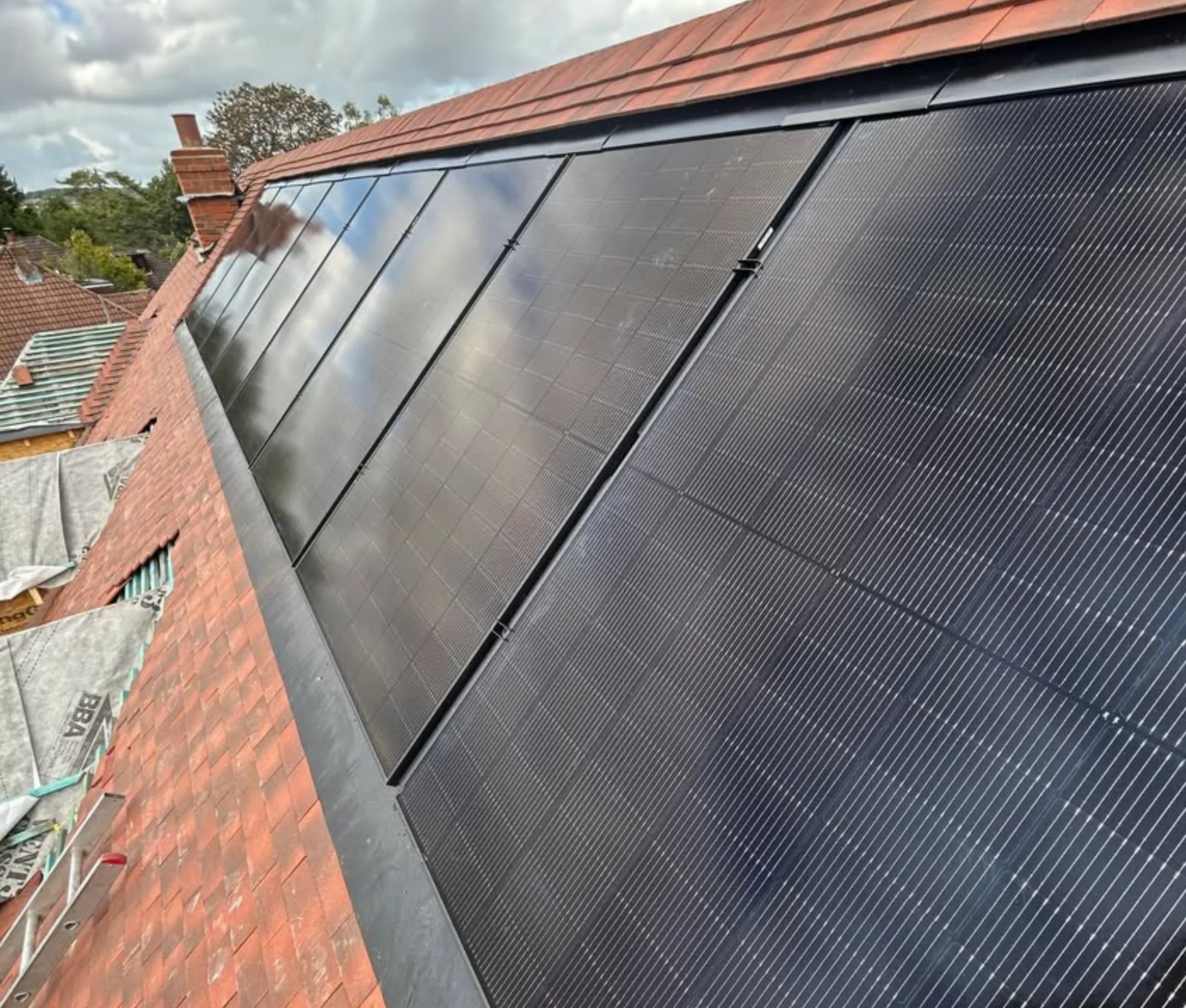
If WD-40 is off the table, what can you use instead? It’s simple—just use a low-key cleaning method that won’t react with your solar installation. One that keeps it running smoothly and efficiently.
- Deionised water – no minerals, no streaks to deal with.
- A soft-bristled brush – it’s a gentle way to get rid of grime without scratching the surface.
- Eco-friendly dish soap — just a tiny bit will help take care of any oily buildup.
- A telescopic pole & microfibre pad – perfect for getting up on the roof.
Ditch the pressure washers – anything over 1,500 psi will likely damage the seals. Go for a gentle rinse and a neutral pH soap—that’s the same approach we use when we do solar panel cleaning in Balaclava. We’re dealing with a lot of salt & gum pollen in that area.
What To Do If You’ve Bungled It & Used WD-40
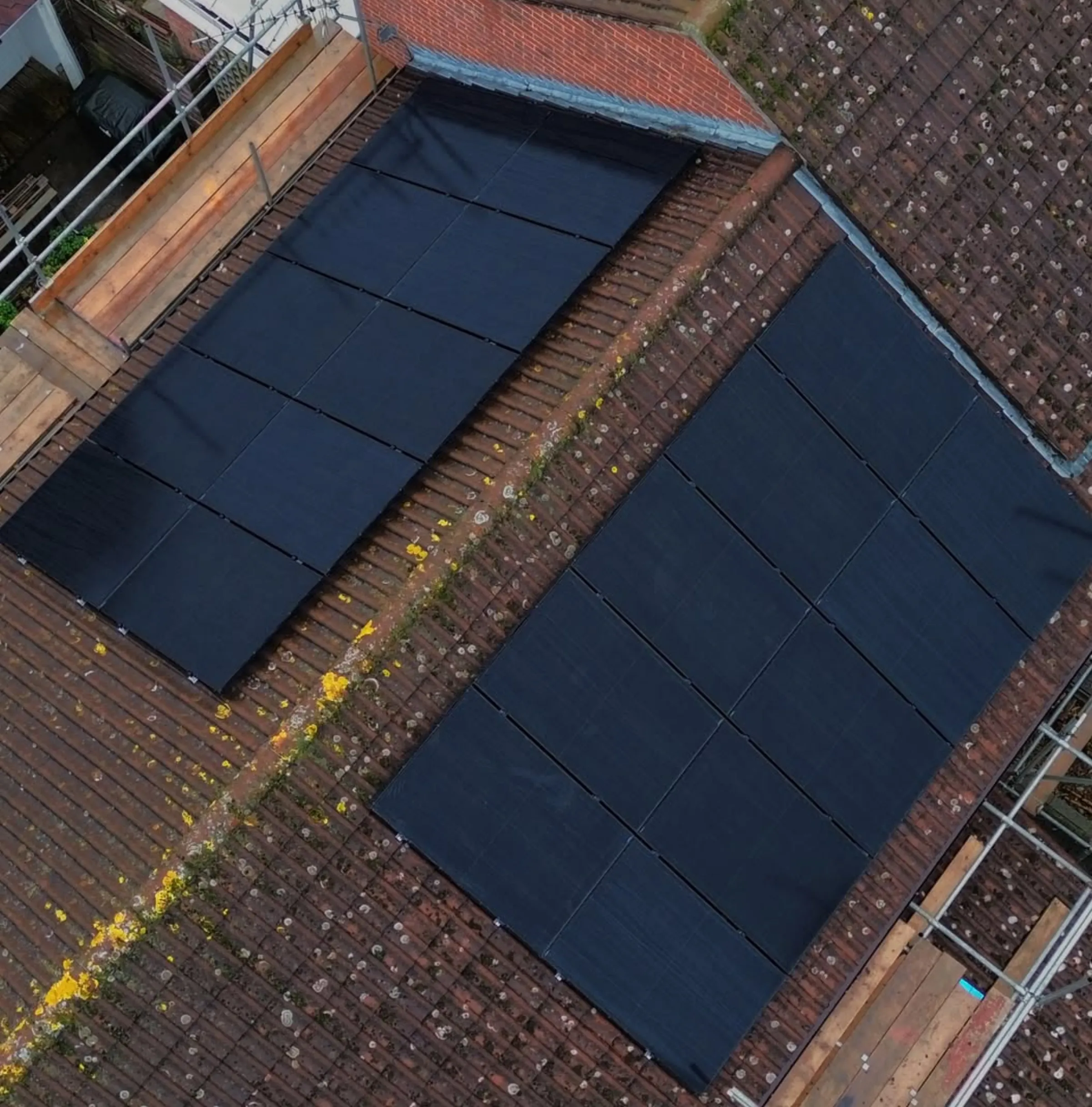
If you’ve gone and sprayed WD-40 on your solar panels by accident, don’t panic – there’s still a way out of this one. The key is to get it off quickly and gently.
- Turn off your solar system by switching off the isolator and inverter.
- Give the surface a good soapy rinse with a microfibre cloth and some warm water.
- Use deionised water to finish off the job so you don’t get any streaks.
- Check up on the performance of your monitoring app – see if there’s any energy loss.
- Get a professional cleaner to take a look if there’s still some residue or rainbow marks hanging around.
We’ve been called in many times to sort out panels that have been knocked around by the ocean air in coastal Melbourne suburbs – it seems like that salty atmosphere just loves to coat panels fast. But get it cleaned properly, and performance usually bounces back within a day or two.
Why WD-40 is Tempting (But Not Worth It)
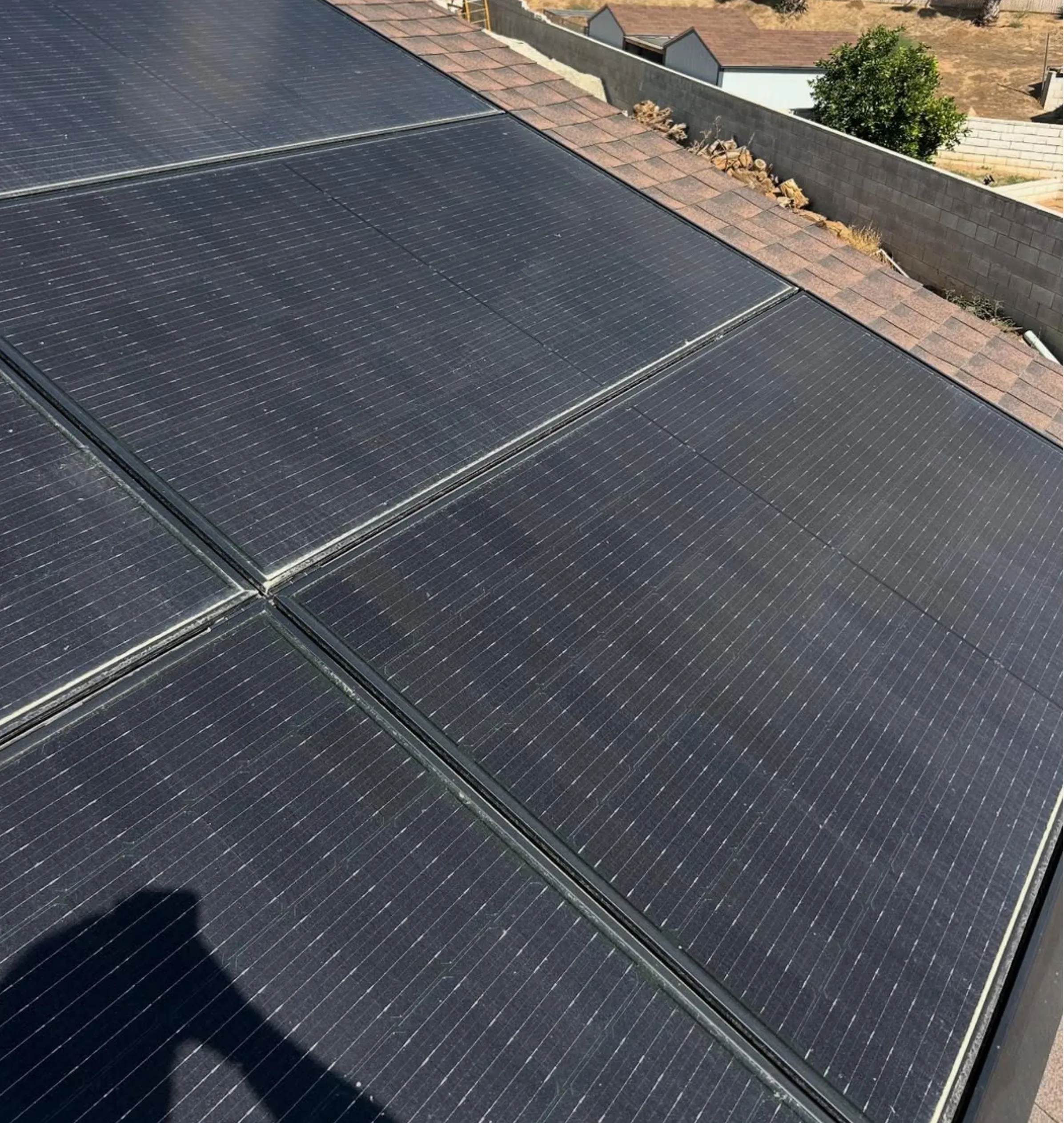
We get it — WD-40 fixes everything in the shed, so it’s tempting to think it’ll clean your solar panels too. But solar glass is for light, not lubrication. The solvents break down coatings, and the oils make future grime stick twice as fast.
It’s like washing your windscreen with engine oil — looks good for a minute, then turns cloudy. Save the WD-40 for rusty hinges and use solar-safe gear for your solar installation.
At Window Cleaning Melbourne Crew, we use low-pressure rinse systems and pure water filtration — the same approach approved by most solar manufacturers. It’s safe for panels, safe for the planet and gets that mirror-finish shine without drama.
FAQ
Will WD-40 ruin my solar panels for good?
Yes, it will — with time, it breaks down coatings, weakens seals and reduces efficiency. You’ll want to get it off ASAP with water and some mild soap.
What’s a good alternative to WD-40 for cleaning panels?
Use plain water and a soft-bristled brush. That way, you keep the glass and the coating safe.
Does WD-40 work in a salty coastal area?
No, it makes salt buildup worse. If you live in a coastal area, you should be rinsing your panels more often with pure water — no sprays at all.
Can I clean my panels during a water shortage or restrictions?
Yes, and you can do it with minimal water and some biodegradable soap. Some pros even use waterless cleaning pads or systems that just use pure water.
How often should I clean my solar panels?
Most people with home solar will need to clean them about twice a year, though if you’re off-grid or live near the coast, you might need to clean them quarterly to keep the power flowing.