
We find out if pressure washing removes concrete sealer. You can’t believe the mess people get themselves into after blasting their concrete surface with a pressure washer and accidentally stripping half the sealer off – happens all the time, especially on driveways that are covered in oil stains, tyre marks from all the car parking or patches of mildew that have grown after a long, harsh Melbourne winter. A power washer is fine for cleaning, but using it in the wrong way – like getting the water pressure too high, or the spray angle or nozzle all wrong – and your concrete sealant is in trouble before you know it.
How High-Force Cleaning Affects Surface Sealers
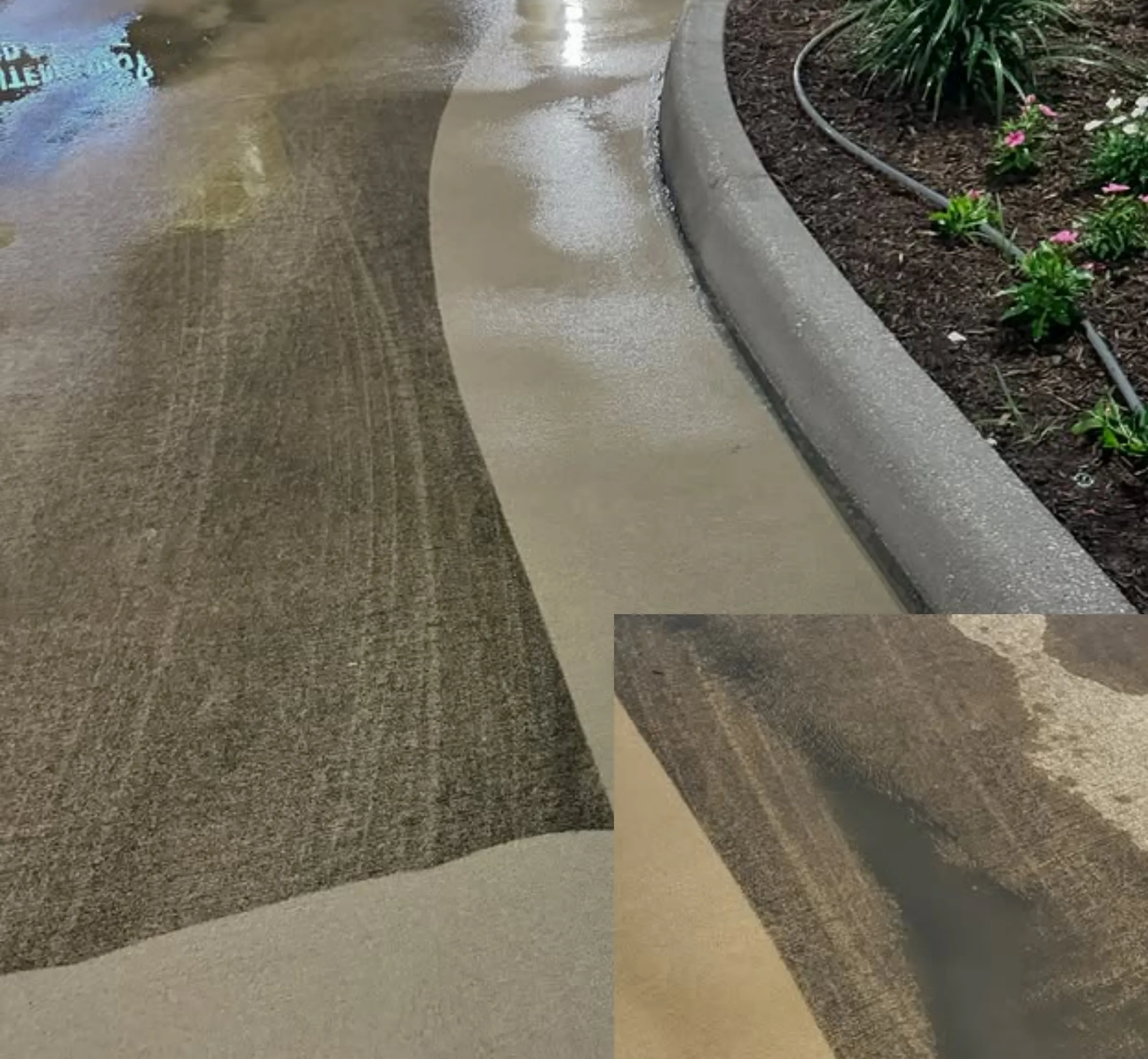
Pressure cleaning and concrete sealers have had a complicated relationship over the years. On the one hand, a pressure washer can clean concrete surfaces with no issues at all – provided you use the right water pressure, spray angle and nozzle. But get any of those things wrong, and you’ll not only be removing the dirt, but also the sealer.
Acidic sealers, water-based acrylic and solvent-based acrylic sit on top of the surface – protecting it like a thin layer of film, so if you blast it with a power washer at the wrong angle, with too much pressure or the wrong nozzle, you’ll strip it right off. Penetrating sealers, on the other hand, soak into the concrete, making them much harder to damage with just water pressure.
Knowing which type of concrete sealant you’re dealing with is what makes all the difference between getting a clean surface and one that needs resealing.
What Strips Sealer — And What Doesn’t
A quick hose-down is usually no problem for most surface sealants. But throw in a power washer, some high-pressure water jets, a zero-degree nozzle, or hot-water cleaning, and a Solvent-based sealer will get stripped in no time, almost as fast as a Melbourne southerly change gets your dry washing.
Here’s what happens in different conditions :
Table: Factors That Contribute to Sealer Removal

| Factor | Impact on Acrylic Sealer | Impact on Penetrating Sealers |
|---|---|---|
| PSI above 2800 | High stripping risk | Minimal effect |
| Turbo or zero-degree nozzle | Extreme damage risk | Moderate |
| Hot-water cleaning | Softens solvent-based acrylic | Low impact |
| Fan-tip nozzle | Safer but still needs care | Safe |
| Spray angle below 15° | Very high risk | Usually safe |
| Old or weathered coating | Easy to strip | Still bonded |
We see a lot of sealant problems turn up on driveways where homeowners have gone out and used a power washer with a zero-degree nozzle, convinced that “more pressure = more clean”, only to end up stripping off the top coat instead.
Signs Your Sealer Has Been Damaged
It doesn’t always leave big bare patches of concrete behind; sometimes the signs are really subtle:
- You get patchy surface staining where some of the sealer was stripped
- White haze where the solvent-based acrylic sealant is looking a bit dodgy
- Water is suddenly soaking into your concrete at an alarming rate – meaning the surface sealant is gone
- The finish on your concrete suddenly starts looking dull
- Rust stains or oil stains start appearing more quickly than they used to
- You get those weird wand lines from using a low spray angle
- The surface has a kind of “chalky” feel where the sealant used to be
We had a bloke in Brunswick with a driveway who’d tried to get rid of some rust stains with a power washer and a steel wire brush – and ended up stripping the whole acrylic sealer off and leaving swirly marks all over the place.
Safely Techniques
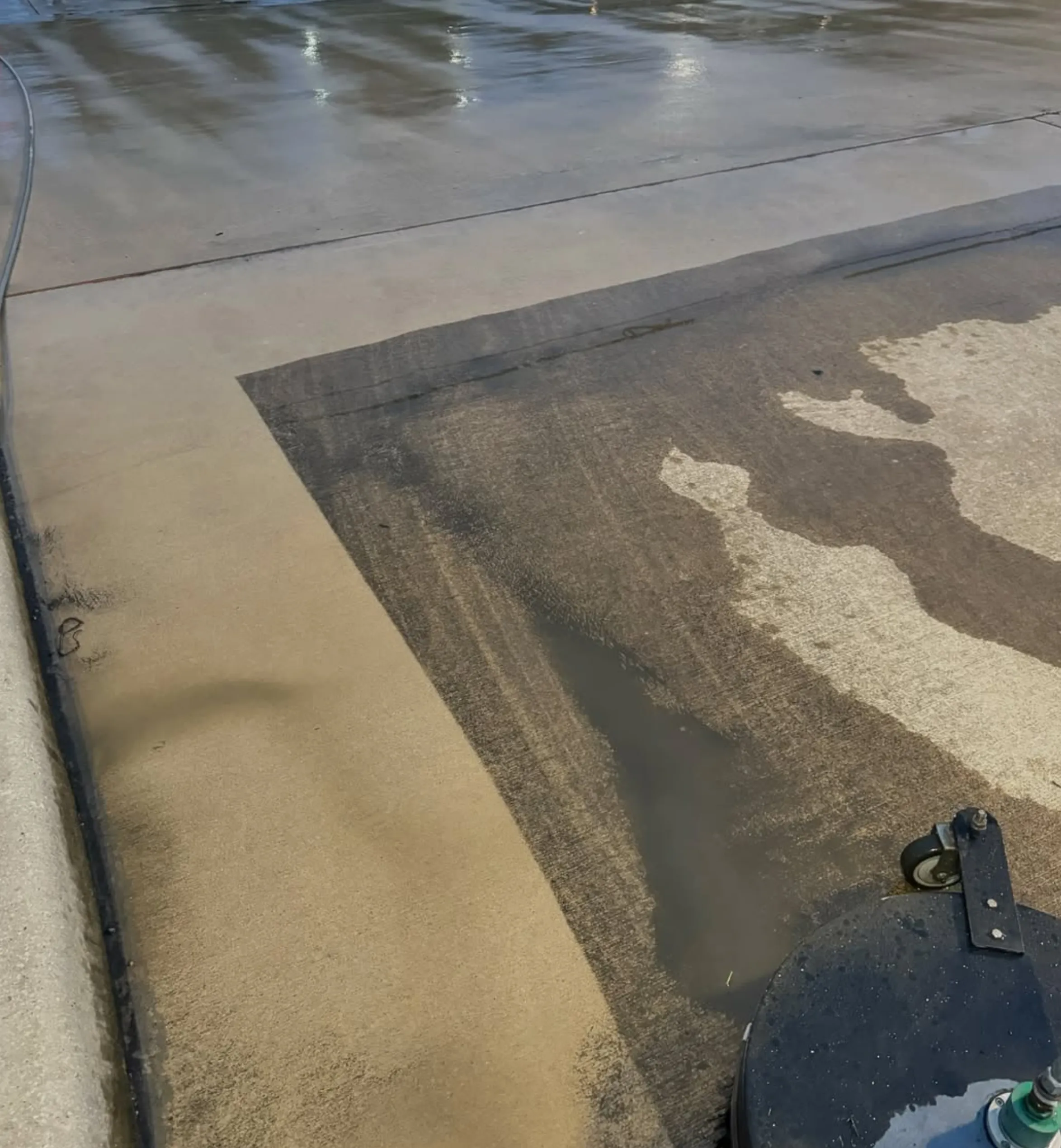
Using a pressure washer doesn’t have to be a disaster. Here’s what we do to keep sealed concrete surfaces in one piece:
Keep the PSI Down a Bit
Don’t go above 1500-2500 PSI. That way, you can get your concrete clean without tearing up the sealer.
Use a Fan Nozzle
A 25° or 40° fan nozzle is your friend – it spreads the water out so it doesn’t damage the acrylic sealer or water-based concrete sealer.
Don’t Spray from Too Close
Keep your spray angle between 25° and 45°. That keeps you cleaning and helps prevent you from grinding the sealer away.
Avoid Zero-Degree Nozzles
Don’t even get us started on those. They’re basically built-in concrete sealant removal tools.
Cleaning Solutions are Better
A mild, concrete-safe cleaning solution is way more effective than just blasting away. For small oil stains or mildew stains, even a bit of baking soda can help without harming the sealant.
Choose Your Brushes Wisely
If you’re going to brush your concrete, use a stiff-bristle brush. Avoid those nasty steel wire brushes at all costs.
Consider Getting a Pro to Do It
A driveway pressure washing company knows all about spray angles, sealant sensitivity and how to avoid accidentally stripping it.
At Window Cleaning Melbourne Crew, we always check after power washing to see if a surface needs some concrete treatment after power washing. The proper follow-up can make all the difference between a long-lasting finish and a driveway that starts breaking down in a few months.
When Water Jets Strip the Finish
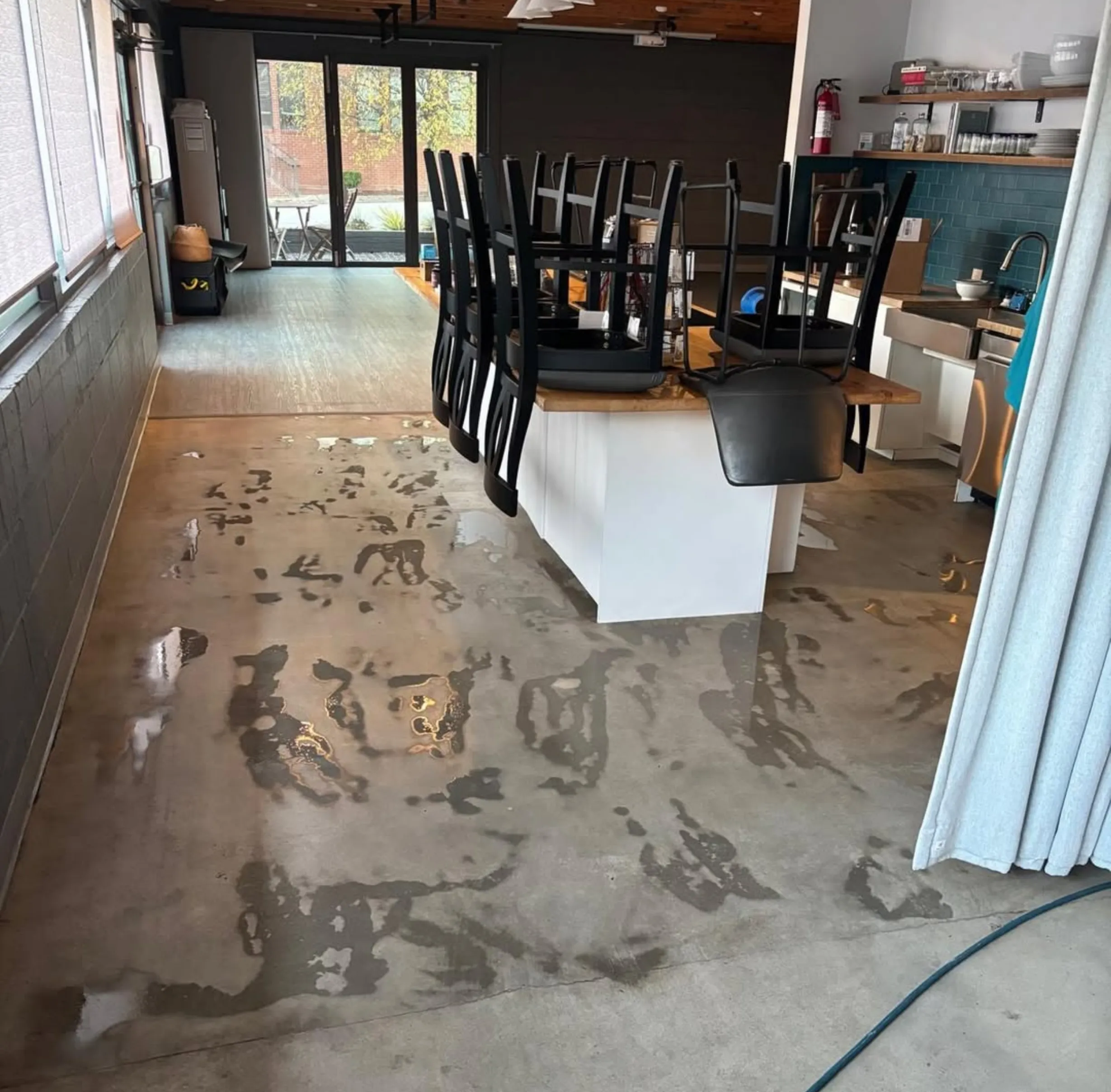
There are a few situations where even a gentle power wash can cause problems:
- 1. Old, Weathered Coatings
Sun damage can break down an acrylic sealant in no time – especially here in Melbourne. - 2. Cheap or Low-Quality Sealers
Hardware store coatings are about as reliable as you’d expect – they fail when you try to clean them. - 3. Applying the Sealer Wrong
We see this all the time – thick coats, humid conditions, or dirty concrete – it’s a recipe for disaster. - 4. Hot Water Cleaning
Hot water softens the Solvent-based and Water-based sealants so much that they peel right off. - 5. Using Chemical Strippers or Acid Etching Nearby
If you accidentally get some of that stuff on your sealant, it’s toast. - 6. Using Harsh Brushes or Grinding Tools
If you use a steel wire brush, a belt sander or a disc sander, you can bet the sealer will be gone.
Signs Your Concrete Needs Resealing
A few simple checks will tell you if the concrete sealant still has some life left in it after a blast with the power washer:
Water Absorption Test
Just give the surface a good soaking of water and see how it looks – if the water disappears quickly, the sealer’s seen some damage.
Texture Test
Does the concrete look a bit rougher than it did before? If so, chances are the acrylic sealant’s not doing such a great job anymore.
Surface Staining
If oil or rust stains are appearing quickly, that’s a sign the sealant’s a bit worn out.
Colour Test
If the colour’s looking a bit patchy, that’s probably due to uneven sealer coverage.
Slip Resistance
If the anti-slip grit on the surface is starting to wear off, that’s a good sign that the sealer’s on its way out.
Can You Clean a Surface Before Applying a New Seal?
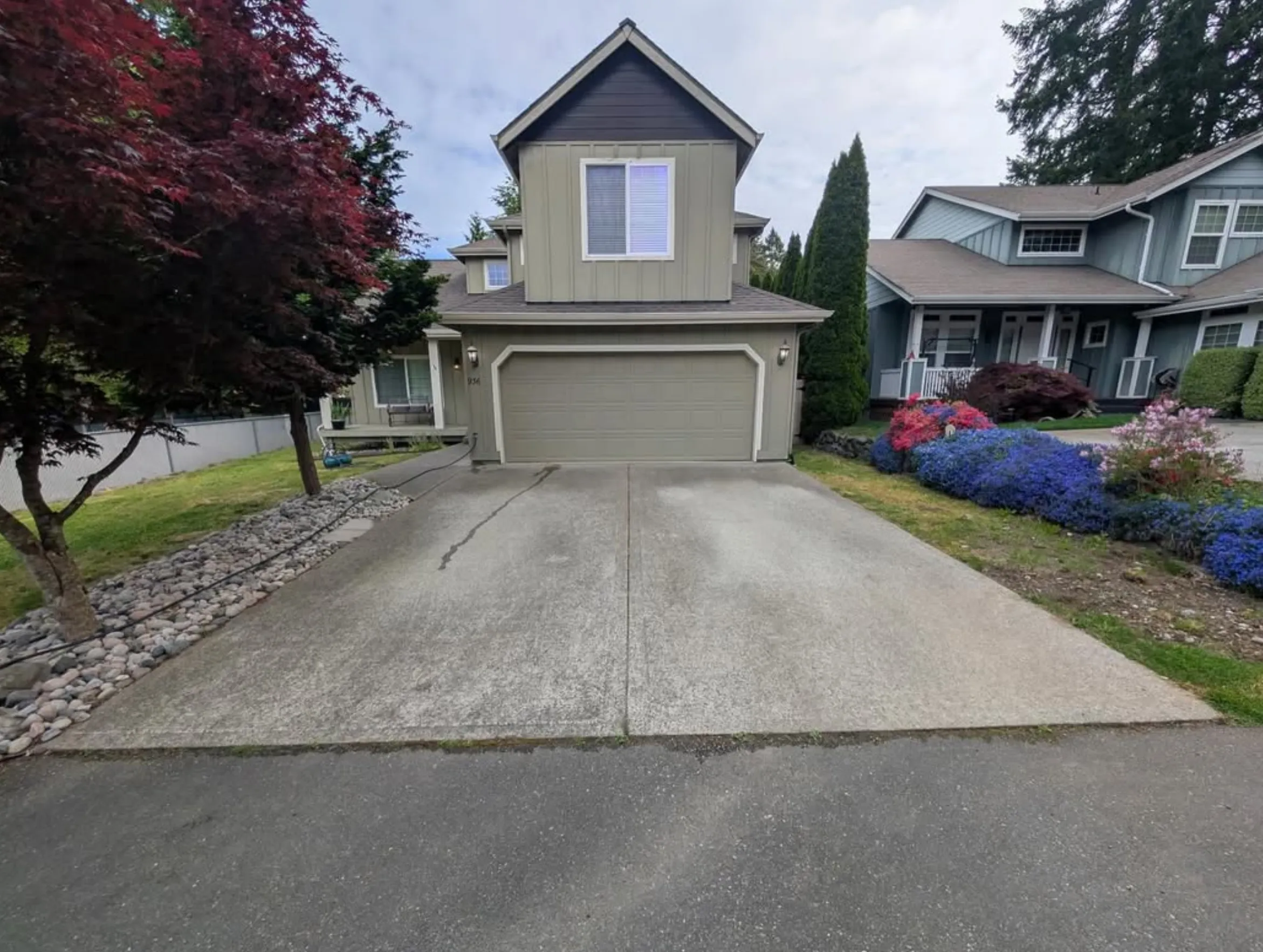
Actually, you can pretty much take a power wash as a given before slapping on a new sealant – especially with water-based, solvent-based acrylic, penetrating sealers, epoxy coatings, or any kind of surface sealant product.
A good wash will remove grime, oil stains, mildew stains, rust remover residue, old, loose coating, and dust from past concrete repairs. Just remember to give it time to fully dry – you don’t want to trap any moisture under the new coating and have it cause problems down the track.
And if you’re hiring a professional, they’ll be able to handle the wastewater side of things safely and sort out any chemical treatment that’s needed to stay on the right side of the council.
FAQ
Does a power washer always remove concrete sealer?
No, it depends on a bunch of things like the pressure, nozzle type, spray angle, and what kind of sealer it is – acrylic, penetrating, or water-based.
Can I use chemical strippers with power washing to remove the old sealer?
Yeah, lots of pros use chemical strippers followed by a good blast of the power washer to get rid of old sealers – but it’s got to be done safely.
Does hot-water cleaning damage concrete surfaces?
Using hot water can soften solvent-based acrylic sealers, leading to peeling.
How can I clean oil stains without stripping the sealer?
Try using baking soda, some concrete-safe cleaning solution, or an enzyme cleaner – but steer clear of zero-degree nozzles.
Should I reseal after a power clean?
If the water absorption test doesn’t look good or the concrete surface looks a bit patchy, it’s probably a good idea to slap on some new sealer.