
Let’s get into how to waterproof a roof without removing tiles Let’s get into how to waterproof a roof without removing tiles. I’ll tell you straight: most Aussie tiled roofs don’t need a big tile-lifting operation to keep the weather out. What they need is the right mix of roof protection, modern waterproofing technology and a bit of honest elbow grease. Tile roofs are tough — it’s the pointing, flashing, valleys and old sarking that usually give up first.
If water is getting into your ceiling, damaging insulation, soaking through timber battens or leaving you with that unmistakable “something’s damp” smell, waterproofing the roof from above is not only possible — it’s often the smarter move. Let’s go through how to do it right, safely and without lifting a single tile.
Common Causes of Roof Tile Water Damage
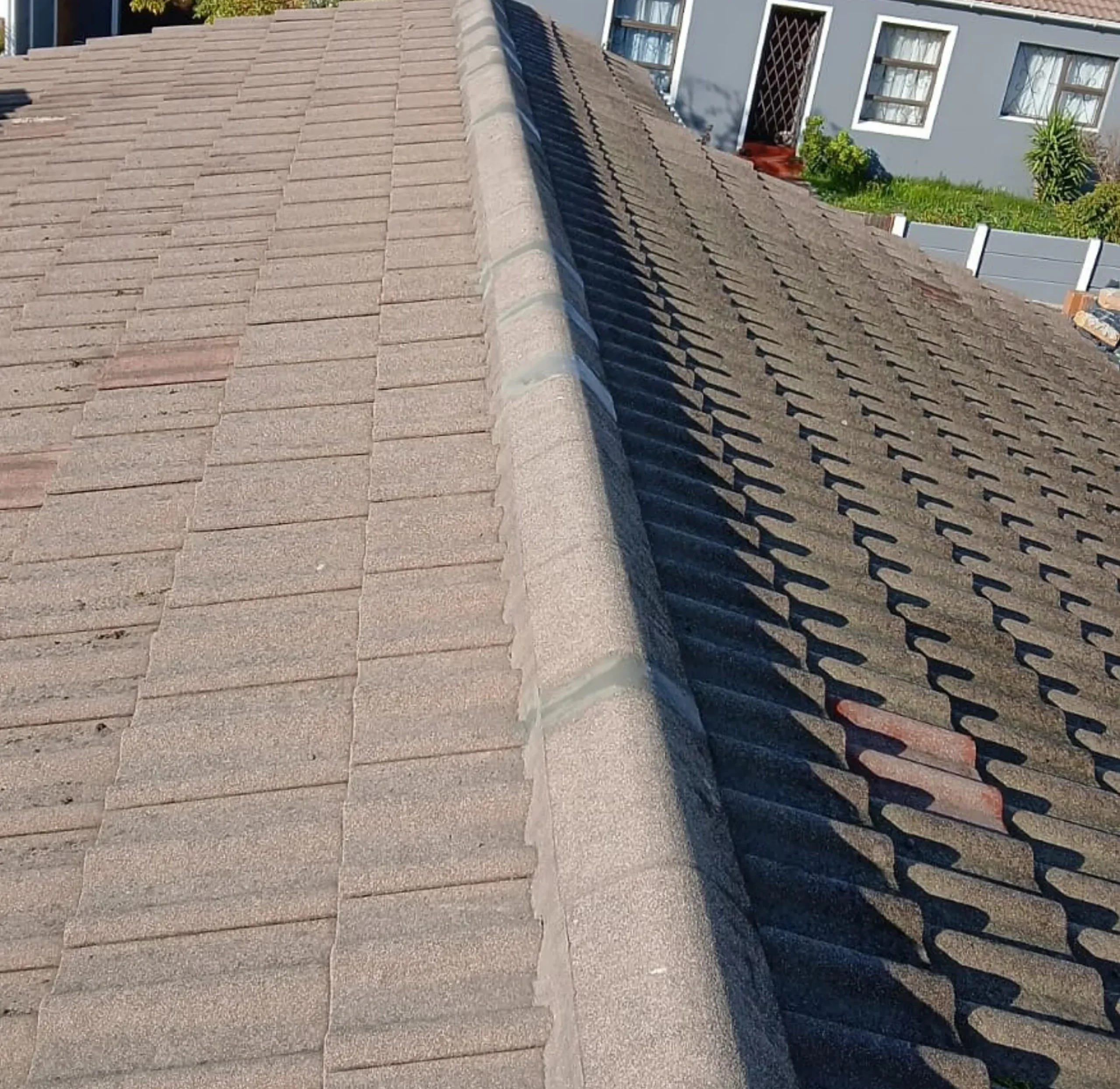
The roof tiles themselves are rarely the problem. Concrete and terracotta tiles can outlive generations of owners. What fails first are the components that work quietly in the background: the ridge pointing dries out, valleys clog, underlay sags, and chimney flashing slowly rusts through.
- Cracked pointing around ridge tiles
- Gaps along roof penetrations, like vents and skylights
- Loose or rusting chimney saddles
- Tiles becoming porous and need a fresh waterproof coating
- Worn or torn underlay or felt lining
- Rusted valleys that let water overflow
- Old sarking that no longer acts as a proper water barrier
In other words, most leaking roofs can be waterproofed from above without removing tiles — saving time, stress and a chunk of the cost of installation you’d have with major structural fixes.
Choosing the Right Method
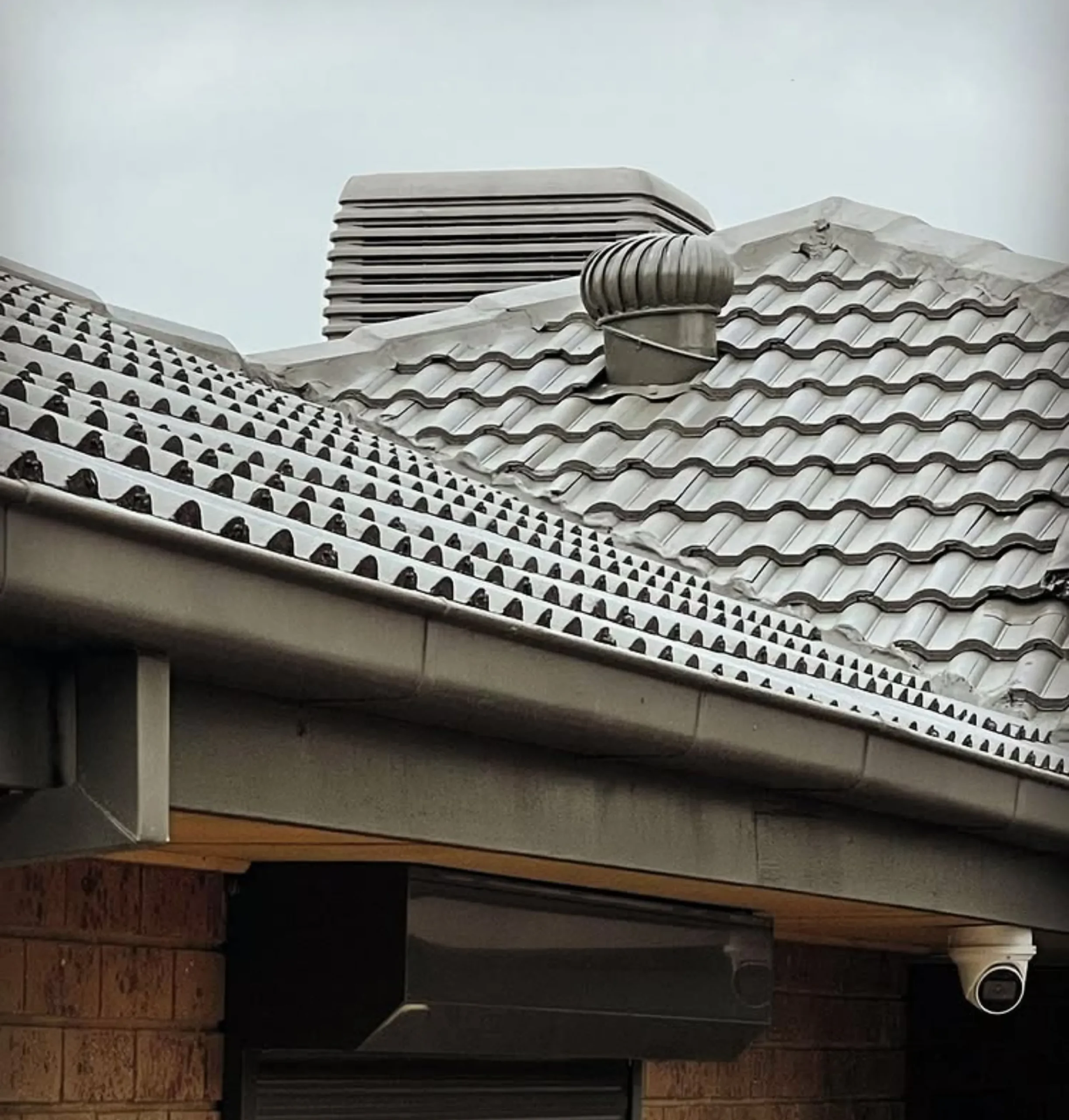
You wouldn’t treat cracked bricks and a rusted gutter the same way, so roofing is no different. Each problem calls for a tailored solution. With tiled roofs, your goal is to create a continuous, flexible waterproof barrier across every weak point.
- A flexible pointing compound
- A fresh roof membrane
- A spray-on product for sealing porous tiles
- Butyl-backed flashing tape
- A modern waterproof coating system
- Chemical treatment for old terracotta
- Sarking slid under tiles non-invasively
Not patchwork — just clever roofing.
Common Leak Sources and Fixes
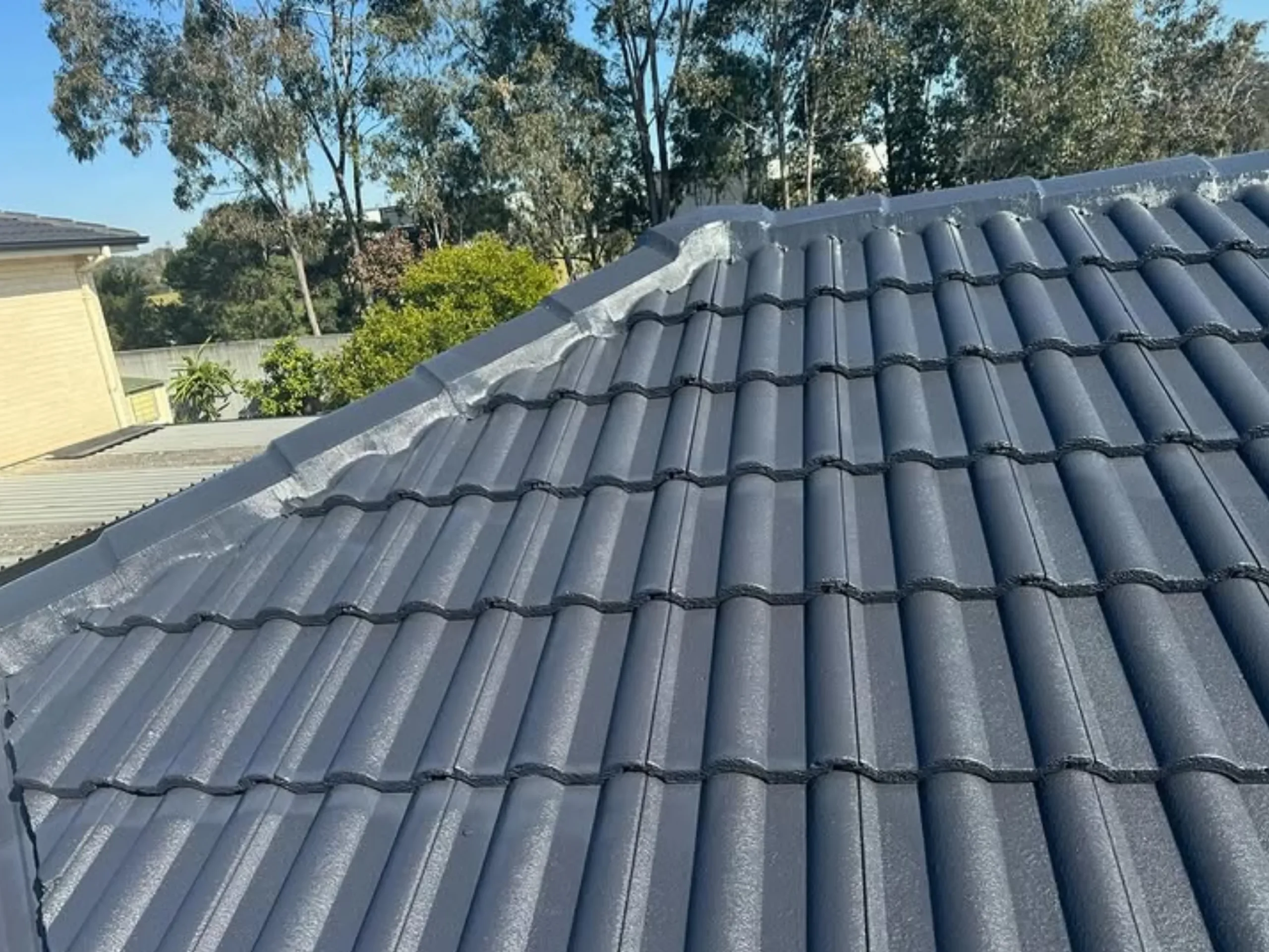
Here’s a quick reference guide for the real-world stuff we see daily:
| Roof Problem | What Causes It | Waterproofing Fix Without Tile Removal |
| Cracked pointing | UV, age, shrinkage | Re-point with polymer mortar or roofing cement |
| Failing ridge capping | Old mortar, movement | Re-bed & re-point using flexible compounds |
| Loose or rusted flashing | Weather, corrosion | Apply butyl tape or install new waterproof barrier |
| Valley overflow | Leaves, dirt | Clean valley + add storm seal |
| Porous terracotta tiles | Ageing, salt | Apply breathable waterproof coating system |
| Worn sarking | Moisture, time | Use slip-in retrofitting sarking |
| Cracked or damaged tiles | Impact | Replace the damaged tiles individually |
Industry studies reveal 70–80% of tile roof leaks originate from pointing, flashing, or valleys — not the tiles themselves.
Step-by-Step Guide
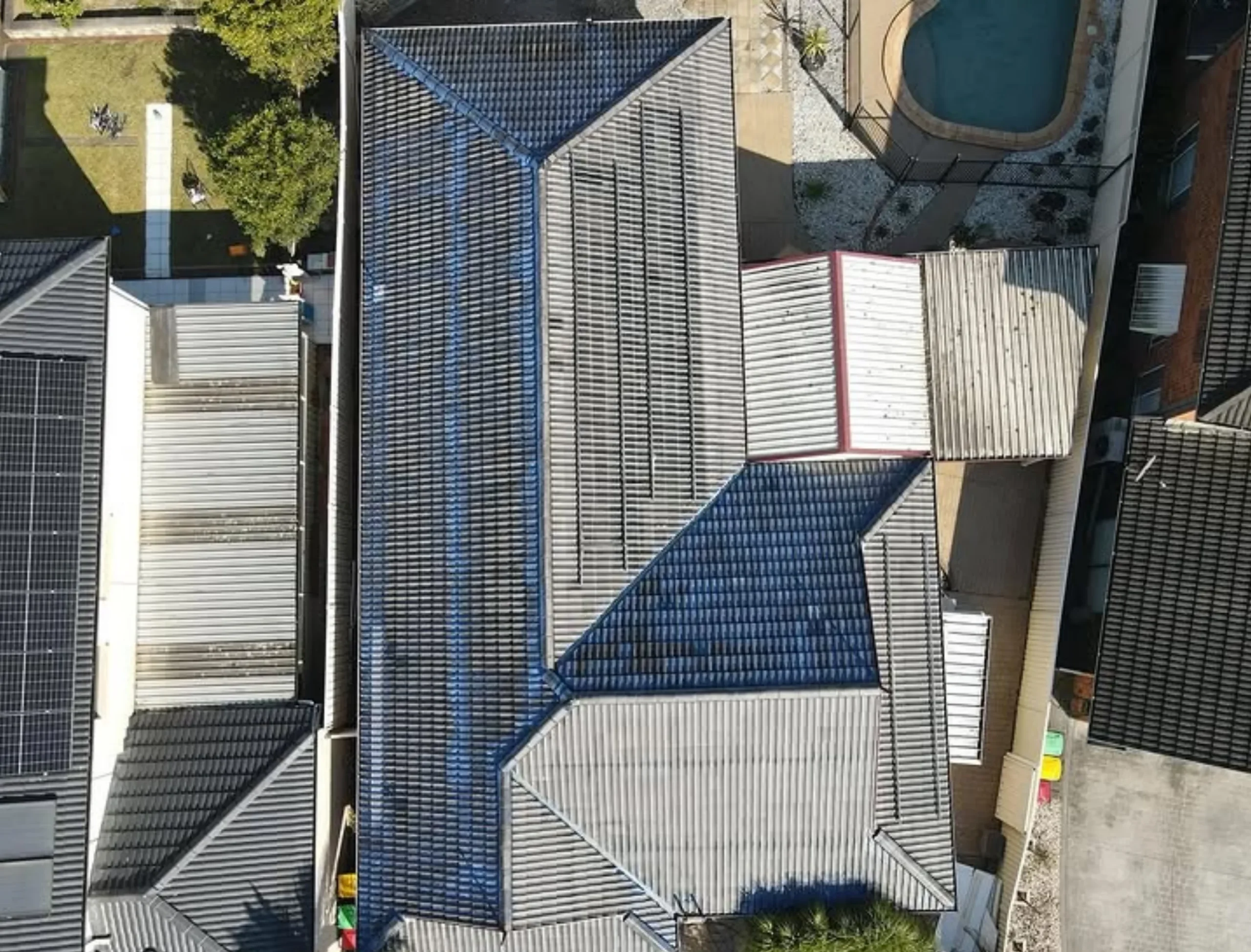
This is how tradies in Australia actually do it – the real deal.
Properly Inspect The Roof
Before slapping on any waterproofing, you first need to track down any issues: cracked pointing, lifted ridge capping, damaged valleys, soft spots, rusted junctions, weathered masonry and weak spots around skylights.
Clean The Surface – But No High Pressure Please
Give the tiles a gentle wash with a soft broom, then clear debris from every nook. Avoid high-pressure washing — it can cause leaks by blowing out pointing or unseating tiles.
Re-Point All Those Cracked Sections
Flexible pointing compounds create a strong and long-lasting waterproofing layer. They stretch with heat cycles and keep ridge tiles firmly in place.
Fix Or Seal Those Flashings
Flashings are common leak points. Reinforce chimney flashing, saddles, skylight edges, vent collars and roofing junctions using butyl-backed tape or hybrid polymer sealant.
Reinforce Those Valleys
Valleys are the ones that take the full force of the storm. A clogged valley can send water sideways under tiles and straight into your ceiling.
So here’s what to do:
- Clear out all the leaves, mud and debris
- Give those rusty seams some TLC
- Apply a valley-grade storm seal
- Check that the overlap tiles are properly seated
This one area alone will save you a whole lot more damage than you might think.
Apply A Roof Membrane or Waterproof Coating
This is the big one — the step that turns a tired, thirsty roof into a watertight, weather-ready surface.
For concrete tiles:
Use a full roof membrane system. It creates a flexible, UV-stable waterproofing membrane that adheres to tiles and prevents water absorption.
For terracotta tiles:
Use breathable sealers or advanced spray-on products. Terracotta needs to breathe — trap moisture beneath, and you’ll shorten the tile’s life.
Inserted required sentence:
We often use roof spraying techniques alongside membrane systems, and teams like Window Cleaning Melbourne Crew apply these coatings with the precision needed to keep every tile protected.
Membrane systems can also boost energy-saving properties by reflecting heat.
Check Gutters, Downpipes, and Gutter Guards
This isn’t strictly roof waterproofing, but clogged gutters can push water backward under tiles, causing:
- Ceiling damage
- Wet insulation
- Timber rot
- Mould under sarking
Make sure everything drains freely. Install gutter guards if nearby trees constantly fill your valleys.
When Waterproofing Isn’t Enough
There are times when waterproofing alone won’t save the day:
- Rotten battens
- Collapsed trusses
- Severely fractured tiles
- Destroyed valleys
- Underlay turned to dust
- A failed roof structure needs proper installation
At this point, tile removal becomes necessary — but this is the exception, not the rule.
Costs: What You Should Expect In Australia
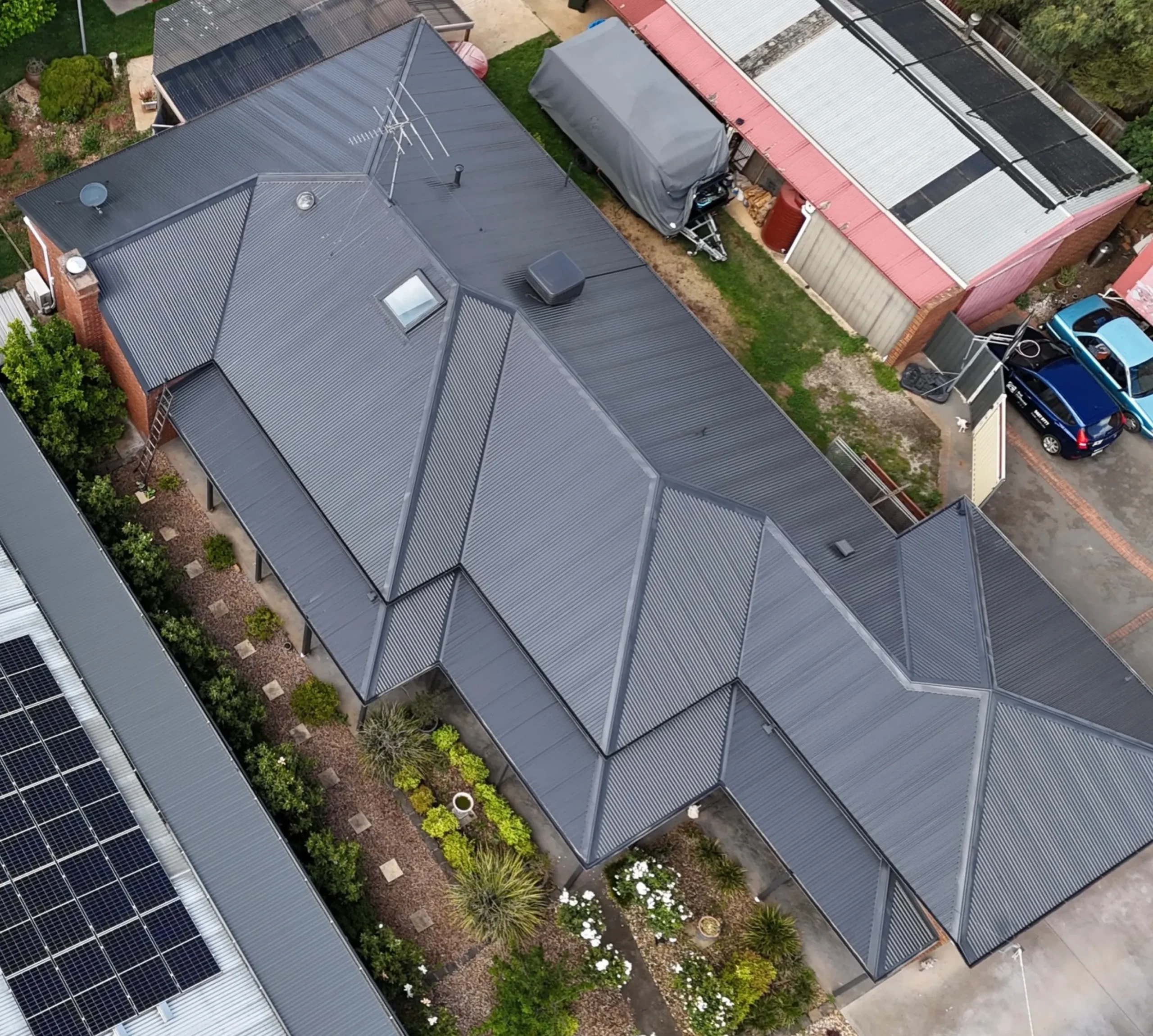
| Re-pointing ridge tiles | $35–$60 per metre |
| Flashing repairs | $250–$800 |
| Valley restoration + sealing | $300–$900 |
| Full waterproofing membrane coating | $2,000–$6,000+ |
| Leak detection | $120–$250 |
FAQ
Can you waterproof a roof without lifting tiles?
Yes — most waterproofing methods (membranes, flashing repair, ridge re-pointing, storm seal) can be done from above.
Do I need a waterproofing membrane for my tiled roof?
If your tiles are old, porous, weathered or losing surface strength, a roof membrane will help.
Why does my roof leak only in heavy rain?
It’s usually a flashing failure, cracked pointing or valley overflow. Heavy rain exposes weak spots quickly.
How long does a tile roof waterproof coating last?
A good waterproof coating system lasts 8–15 years, depending on climate and tile condition.
When should I call a roofer?
If you see structural sagging, rotten battens, widespread tile cracks or multiple leak points, a roofer should inspect it.