
How to treat heat-induced melasma if you can’t stay out of the gym is something I talk through almost weekly with clients at The Facial Hub all the time – especially here in Brisbane, where it seems like the sun beats down on us day in day out, and a sweaty gym session on top of that is just part of the daily grind. Balancing a gruelling fitness routine with healthy skin is never easy, but when it comes to melasma, it’s a constant battle.
You shouldn’t have to pick between your workouts and looking after your skin. But you do need to get a handle on what’s really going on with your skin because melasma is way more complicated than just UV rays. It’s about heat, inflammation & hormonal balances. A lot of people come in looking for a good facial near their home & find that their skin needs a more tailored approach than just a treatment – it needs thought about lifestyle too.
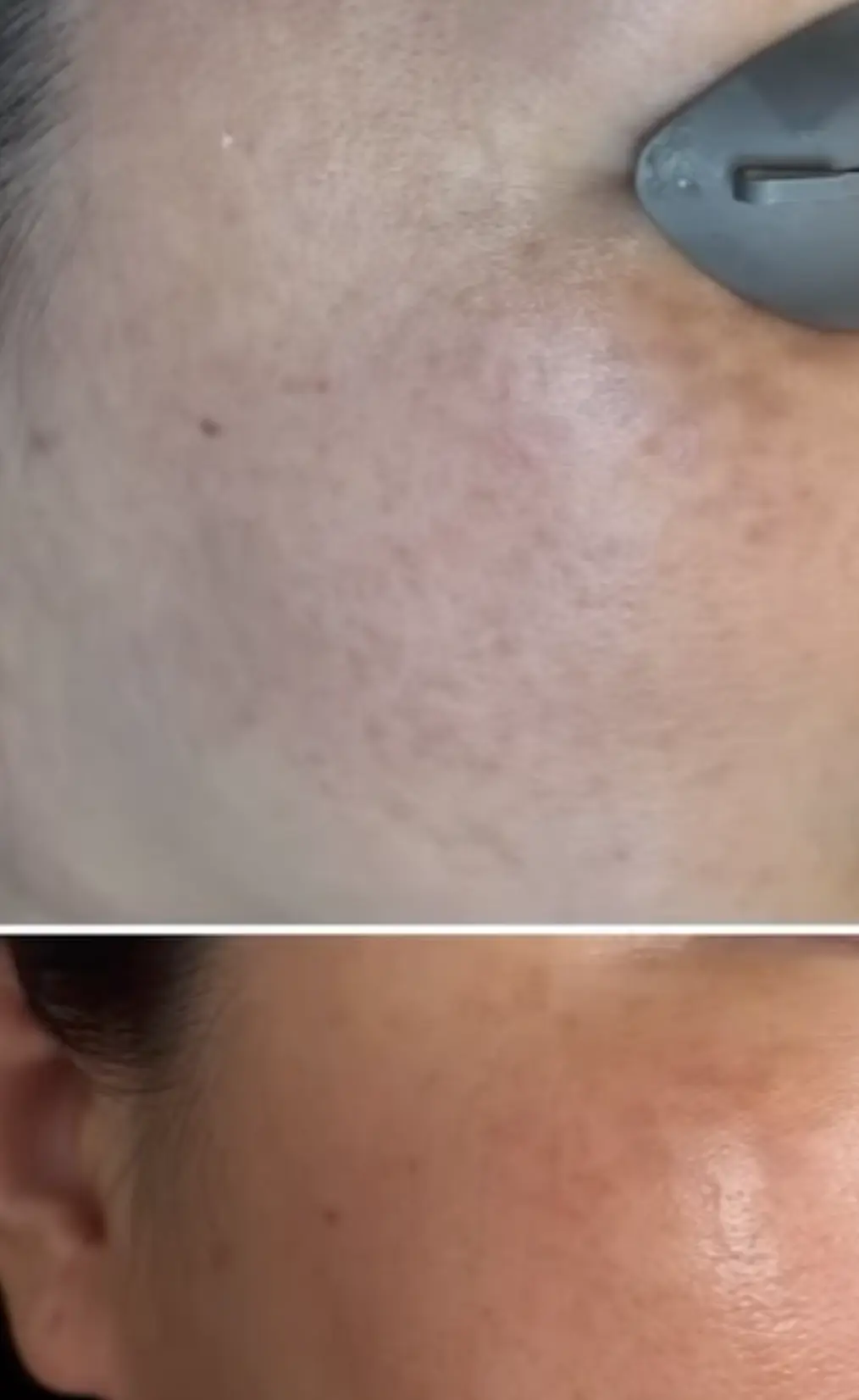
Why Heat Quietly Drives Pigmentation
People tend to think they know what melasma is all about – UV rays, bad skincare, that sort of thing – but the truth is that heat plays a much bigger part than most people realise. Even a sweaty gym session can make a huge difference, because when your body gets hot, your blood vessels expand to try and cool you down – and that can stimulate your skin to produce more pigment.
In Brisbane, with all that sunshine and the added stress of a hot gym, it’s no wonder that melasma is such an issue. Then pile on hormonal changes, and you’re in trouble.
I always say it like this: your skin doesn’t know the difference between heat from the gym and sunburn – to it, it’s just stimulation, plain and simple.
Why Your Current Approach May Not Be Working
You don’t need to give up your gym habit – you just need to get a better handle on how to support your skin while you’re at it.
Melasma management is all about
- Finding ways to cut down on cumulative UV exposure and heat.
- Use skin care that actually does what it says on the tin to support your skin barrier.
- Choosing treatments that won’t just further inflame the issue.
At The Facial Hub, I see loads of clients who’ve tried every single pigment serum they could find after Googling good facials near me, but haven’t actually tackled the lifestyle stuff – and that’s where progress stalls.
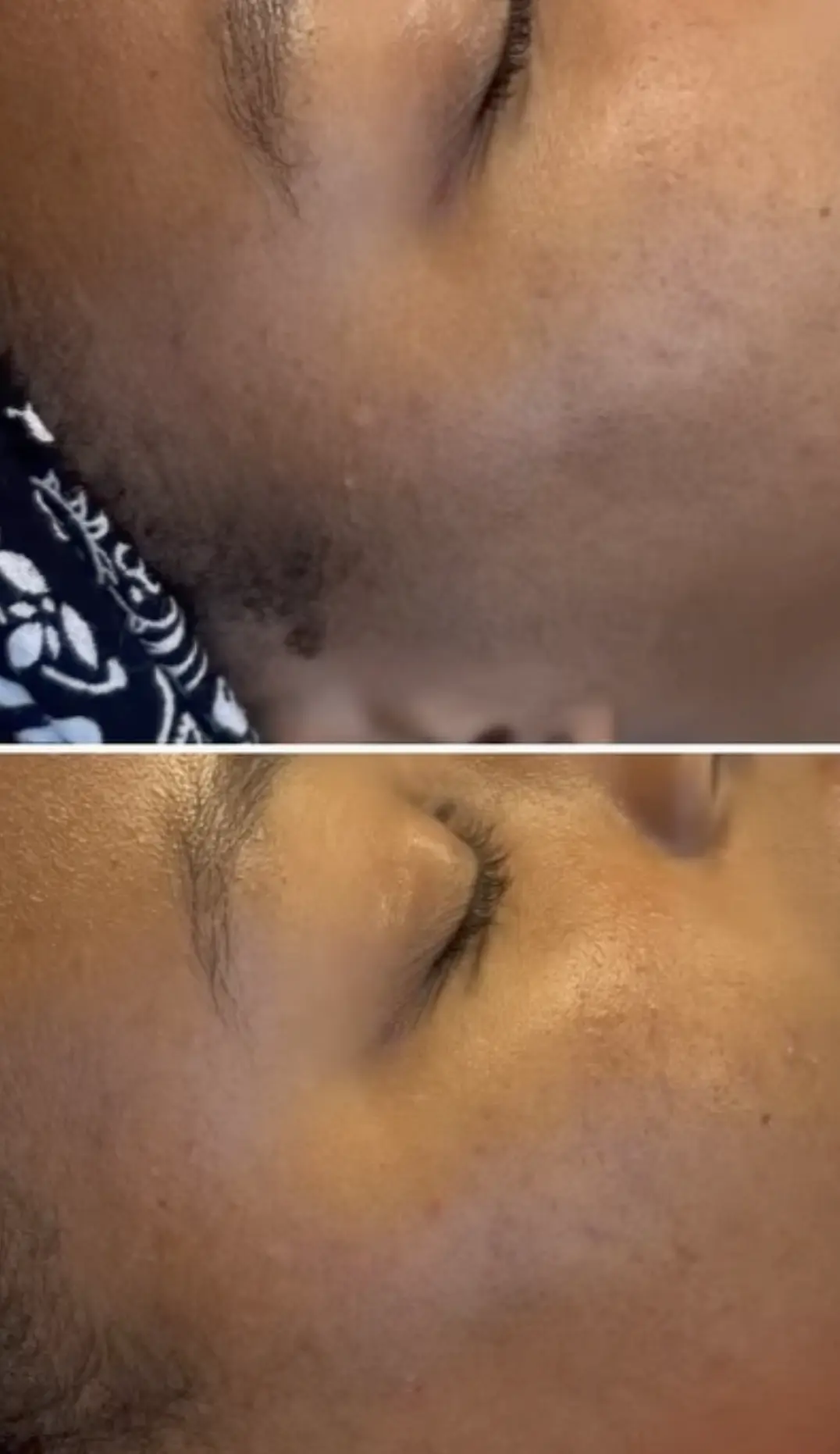
Smart Workout Adjustments That Protect Your Skin
Tweaking your routine can really help reduce those nasty facial pigmentation flare-ups.
Timing Matters More Than You Think
Doing your workout either early morning or late evening is the way to go – it keeps those UV rays and internal heat levels down to a minimum. But if you do end up working out midday, when the UV Index is high, forget about it – that is just asking for melasma.
Cooling Your Skin Matters
Training in an air-conditioned environment or taking regular rest breaks can help keep your skin temperature down and reduce inflammation, a major cause of post-inflammatory hyperpigmentation.
Skip Heat-Based Extras
Places like steam rooms or saunas can be a real nightmare for your skin – they crank up your internal temperature even more, and for people with melasma-prone skin, they can undo all your hard work in the gym, even if you have perfect skincare going on.
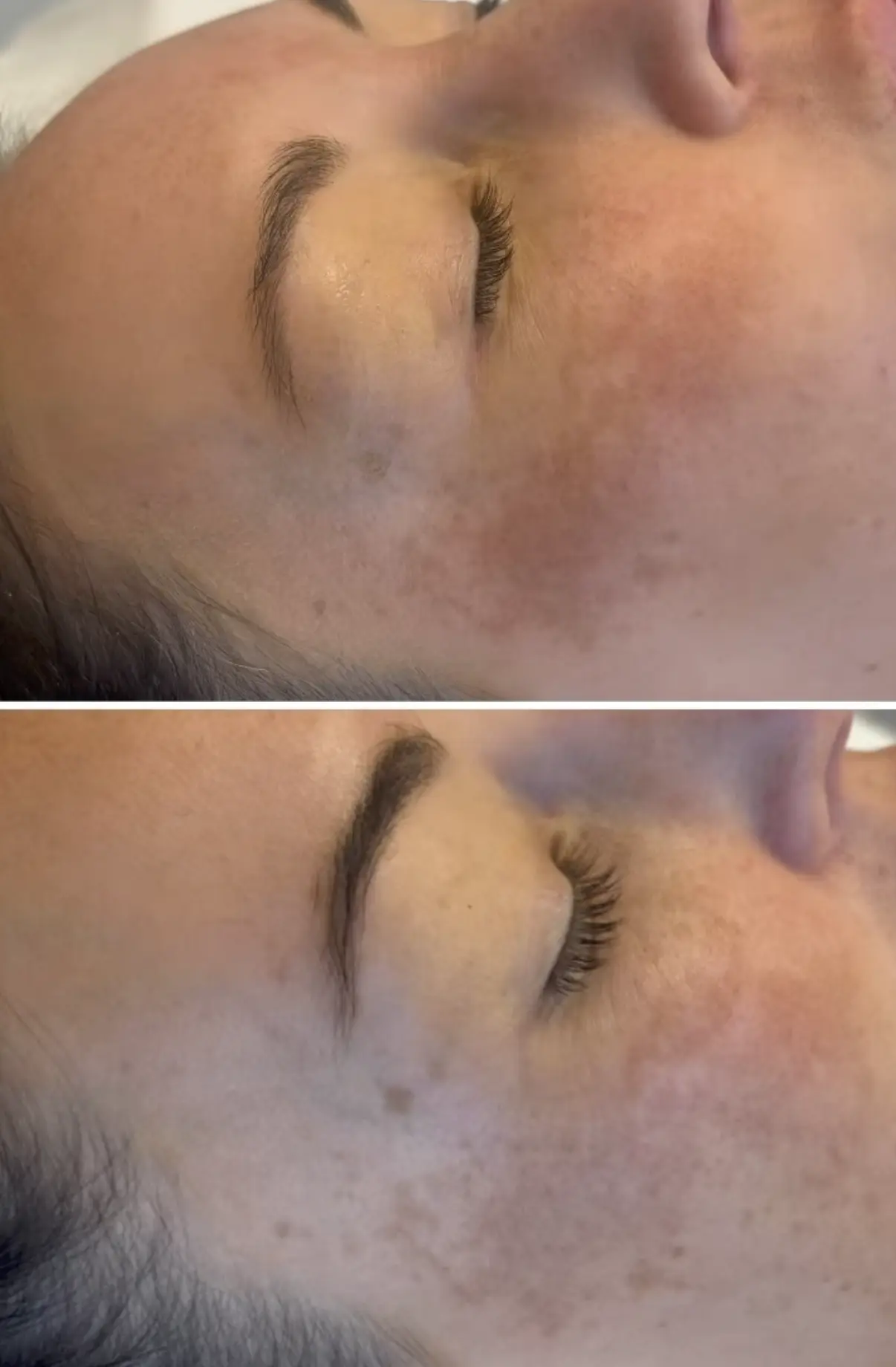
Skincare That Supports, Not Overwhelms
The right skincare routine is your strongest line of defence against skin pigmentation.
Before You Hit The Gym
- Lightweight SPF 50+ to protect you from the sun.
- Mineral-based tinted sunscreen with zinc or titanium – it’s worth it.
- Try to avoid putting anything too heavy on your skin – trap the heat, and you’ll be sorry.
Right After Your Workout
- Give your skin a good, gentle clean to remove all the sweat and bacteria.
- Some good hydration to help get your skin barrier back on track.
Evening – Time to Repair
- Ingredients that will help fix your skin barrier.
- Targeted treatments like tranexamic acid can be a lifesaver.
- Try to resist the temptation to overdo it with those harsh exfoliants.
This is what we do daily at The Facial Hub – taking routine facials to the next level for people who actually need a complete plan to sort their skin out – like that one client who just wanted to find the nearest good facial, but ended up needing way more than that.
Choosing The Right Professional Treatments
Not all treatments suit heat-induced melasma — in fact, some can worsen it.
| Treatment Type | Suitability | Why It Matters |
|---|---|---|
| Chemical Peels | Limited use | Can trigger inflammation if overused |
| Chemical Masks | Suitable | Gentle support for skin renewal |
| Laser Treatments | Case-dependent | Some fractional lasers may worsen pigmentation |
| Light-Based Procedures | Caution required | Heat-based energy can stimulate pigment |
| Topical Prescription Creams | Effective | Target pigment pathways safely |
| Lifting Facial Techniques | Highly suitable | Encourage circulation without overheating |
At The Facial Hub, I prioritise treatments that calm and strengthen the skin rather than stress it. Melasma responds far better to consistency and balance than aggressive intervention.
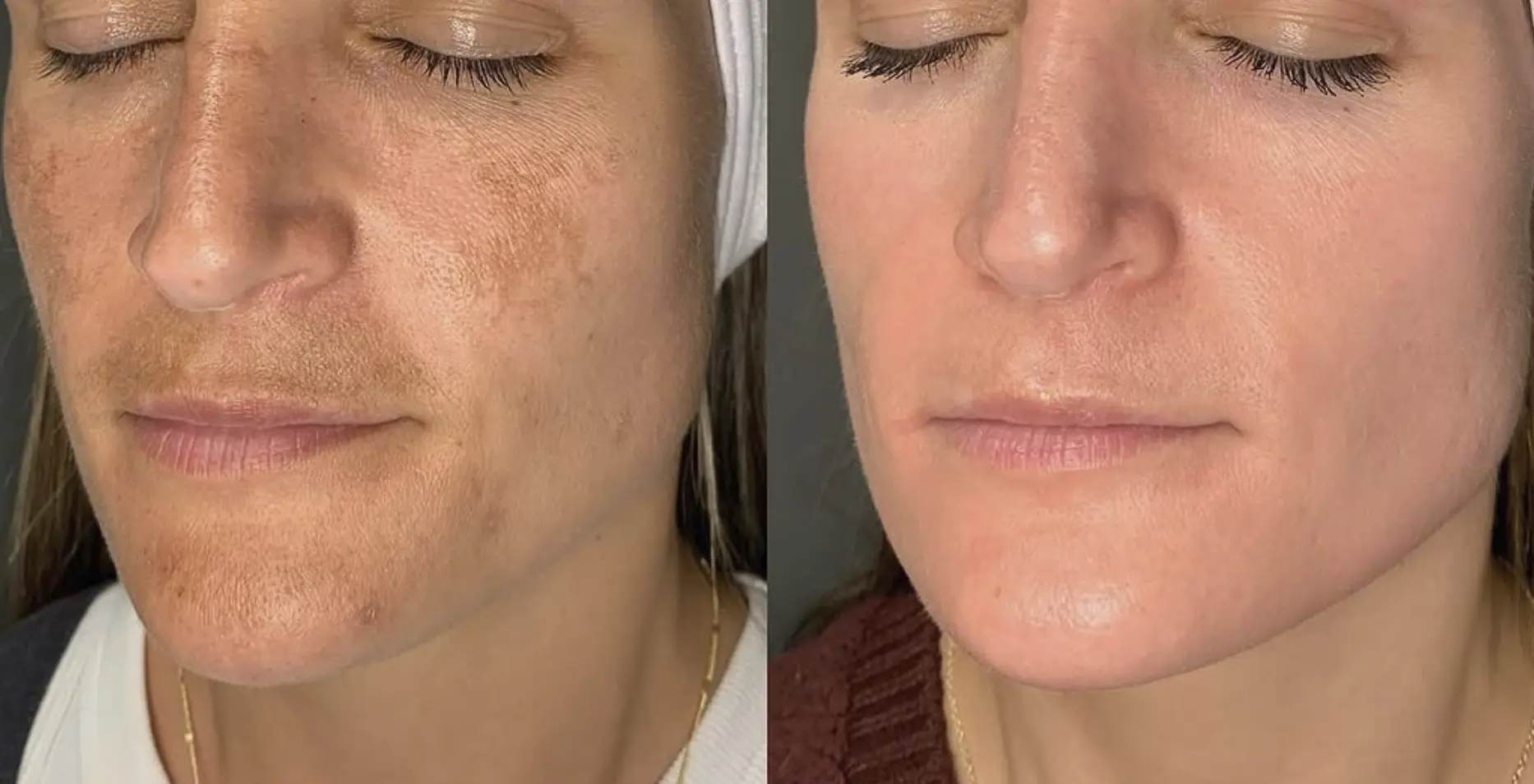
Ingredients That Help (Without Making Things Worse)
Picking the right actives is the absolute key when you’re trying to manage melasma – it’s all about finding the right balance.
Safe, Supportive Ingredients
- Tranexamic acid – good for helping to reduce the appearance of those pesky melasma spots.
- Niacinamide – can help with overall skin health and has a few other benefits too.
- Vitamin C – an antioxidant that’s great for your skin.
- Zinc oxide and titanium dioxide – use these to get some decent daily sun protection.
Ingredients To Use Carefully
- Exfoliating acids – these can be good in moderation, but go overboard, and you could be making things worse.
- Chemical peels – these can be good, but using them too often is likely to be counterproductive.
We all know what happens when you get the skincare routine all wrong – I’ve worked with clients whose skin ended up worse off than when they started, and it’s almost always because they’ve overcomplicated things. In the end, keeping it simple with a good topical skincare routine is often the way to go.
Living In Brisbane: What Your Skin Is Up Against
Melasma is a lot tougher to manage in Brisbane than in just about any other place. The high UV index, along with the humidity and sweat, is a pretty relentless combination – your skin’s under constant pressure.
That’s why it’s so essential to get into the habit of using a daily broad-spectrum SPF 50+ – not “when you remember” or ” on a sunny day” but every single day, without fail. And don’t forget to reapply when you need to.
One thing that often gets mentioned is the worry about vitamin D levels – while it’s true you need to protect your skin from the sun, the good news is that you’ll generally be getting enough incidental sun exposure through your daily activities to keep levels up. So let’s keep the focus on protecting your skin.
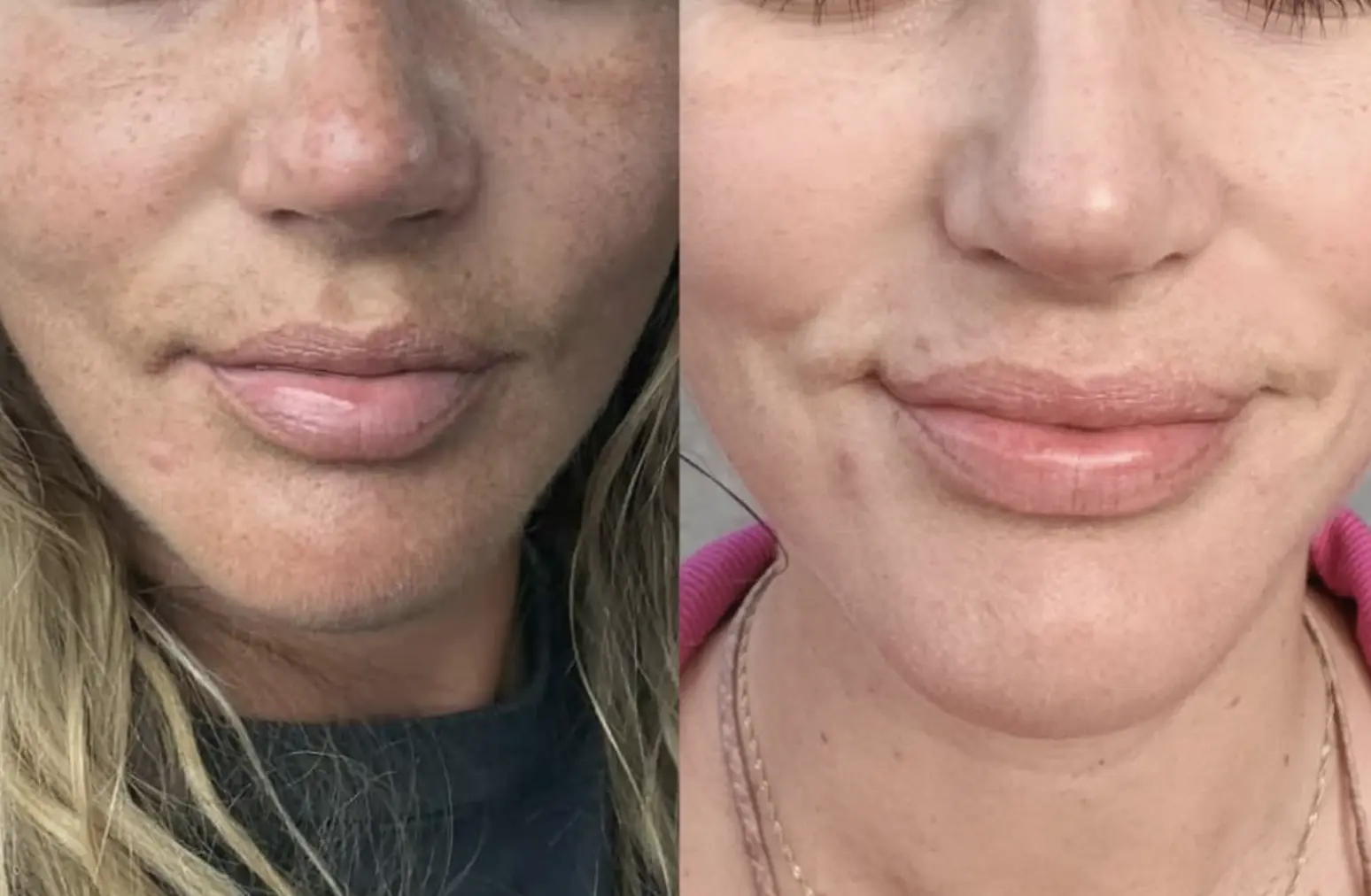
What Real Progress Looks Like
Melasma requires patience — and consistency.
| Timeline | What You’ll Notice |
|---|---|
| Weeks 1–2 | Reduced inflammation, calmer skin |
| Weeks 3–6 | Early brightening and improved tone |
| Weeks 6–12 | Visible reduction in pigmentation |
| 3+ Months | Long-term control and stability |
Professional assessment, including tools like a Wood’s lamp examination, helps determine pigment depth and guide treatment.
Hygiene, Safety, And Professional Standards
When dealing with a skin condition as sensitive as melasma, where you treat your skin is just as important as what you put on it. And trust us, at The Facial Hub, we take this pretty seriously.
We stick to super-stringent hygiene protocols, use only top-notch cosmeceutical products, and tailor every single treatment to your skin’s current state, quick-fix. Because let’s face it, those little irritations can trigger pigmentation in the blink of an eye. A bit of stuff like that can quickly add up if you’re using the wrong products or getting the wrong technique.
It’s not about slapping loads of extra treatments on there, it’s about doing it properly, isn’t it?
2026 Skincare Trends That Actually Matter For Melasma
The industry is finally shifting in the right direction.
We’re seeing:
- Barrier-first skincare approaches
- Growth in cosmeceutical skincare
- Reduced reliance on aggressive treatments
More and more clients are ditching the quick-fix mentality and opting for proper, long-term skin health, which is exactly how you should treat melasma.
Final Thoughts: You Don’t Have To Choose Between Fitness And Clear Skin
Managing heat-induced melasma is all about finding a balance – it’s not about restricting yourself completely. When you figure out how your heat sensitivity, UV exposure and daily habits all interact, you can protect your skin without having to give up your routine.
If you’ve been searching for “facials near me” high and low but still not getting the results you want, it’s probably time to try a more tailored approach, led by proper experts.
FAQ
Can a gym really make my melasma worse?
Yes, especially the heat and inflammation that can come with it. Don’t get me wrong, it’s the heat that’s the problem, not the gym itself really.
Do I have to stay out of the sun completely?
No way – but you do need to protect your skin from the sun every single day. Using broad-spectrum sunscreen is an absolute must.
Are lasers the way to go?
Some lasers can be a bit of help, but loads of laser and light-based treatments can actually make things worse if you don’t get the right one.
Why does my pigmentation keep coming back?
It’s a pretty complex one – melasma is influenced by loads of different things, from hormonal fluctuations to UV exposure and heat. If you’re not managing all of those factors, then it’s always going to come back.
Is there just one foolproof treatment?
No – what works for one person won’t necessarily work for another. The best results usually come from using the right skincare for you, making some lifestyle changes and getting some proper advice from a pro.