
A Guide to the Best Bird-Watching Spots in Kakadu
Kakadu National Park in the Northern Territory of Australia is famous for its natural beauty and cultural heritage, and it is also a birdwatching hotspot. At nearly 20,000 square kilometres, Kakadu has a range of habitats that have thousands of birds all year round. For serious bird enthusiasts and casual observers, the park is the perfect place to see a wide range of birds in their natural environment.
Kakadu National Park as a Birdwatching Heaven
Kakadu National Park is birdwatching heaven due to its vast and varied landscapes, including billabongs, floodplains, and rich savannah woodlands. The park’s geography supports a huge range of bird species, making it a dynamic and ever-changing environment for birders. From the wetlands that are teeming with water birds to the open woodlands where birds of prey soar, Kakadu has it all. The transition between the wet and dry seasons brings different bird species to the park, so there’s always something new to see on each birding trip.
The wet season, with heavy rain and lush vegetation, turns the park into a bird haven where species like the White-throated Grasswren and Mangrove Golden Whistler flourish. The dry season, with lower water levels and more open country, is perfect for spotting species like the Gouldian Finch and Hooded Parrot, which are more active during this time. This seasonal change means birders can have a rich and varied experience all year round, with each season offering something different.
Rare Bird Species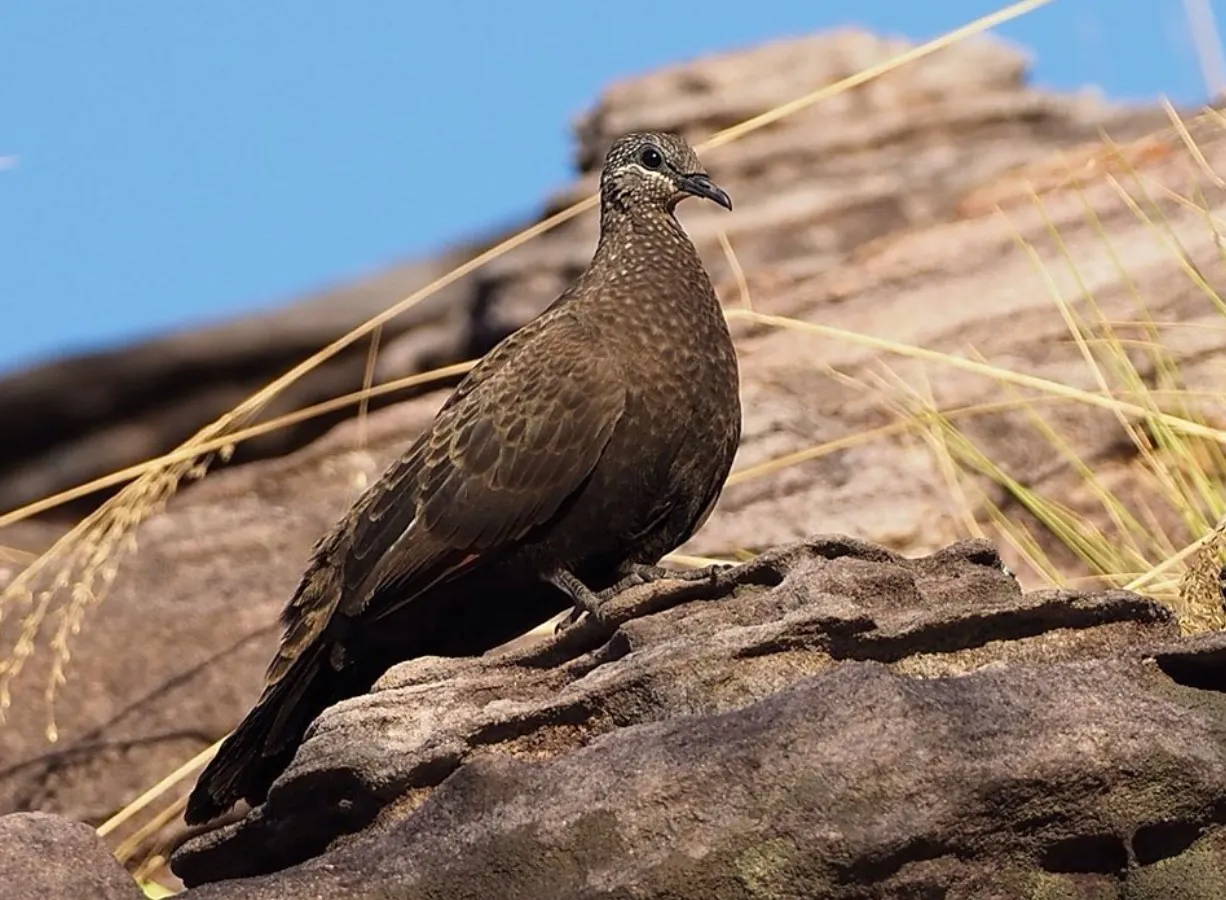
Kakadu National Park is home to several rare and endemic bird species. The Gouldian Finch and Chestnut-Quilled Rock Pigeon are two of the most striking. The park’s protection and management help to conserve these rare species so birders can see them. Other species include the White-Lined Honeyeater and Black-necked Stork, often found in the park’s wetlands.
What birds can I see?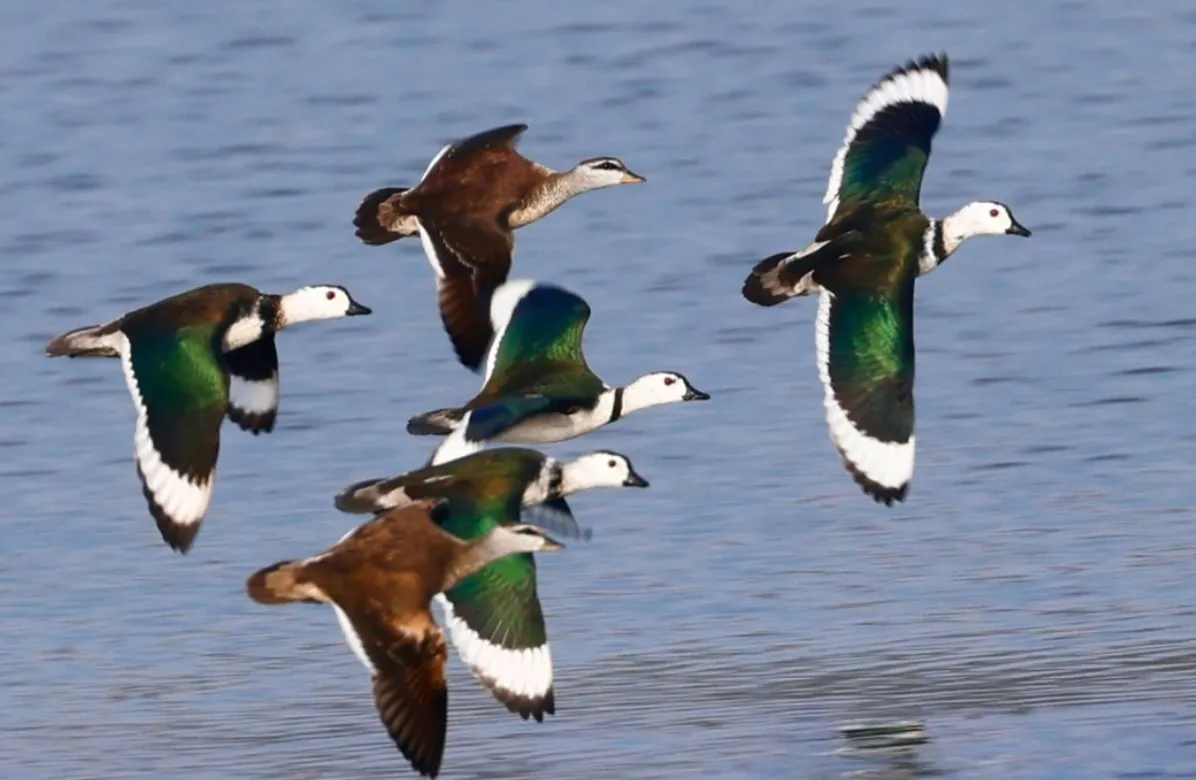
Kakadu National Park has an incredible range of birds each adapted to the different environments. Birders will see a variety of colourful and interesting birds throughout the park. In the wetlands and billabongs you’ll see species like the Green Pygmy-goose, Royal Spoonbill and Purple Swamphen. These water birds are a big highlight for many visitors especially during the wet season when the wetlands are at their best.
The woodlands and open grasslands are home to the Red-tailed Black Cockatoo and the Red-winged Parrot. These beautiful birds are often seen in big flocks and add a splash of colour to the park. The park’s many habitats also support birds of prey like the Whistling Kite, White-bellied Sea Eagle and Black Kite. You can see them soaring above the park or perched high up, looking down for lunch.
As well as these key species there are many other smaller birds to see. The Azure Kingfisher and Red-backed Kingfisher are often seen near water where they hunt for fish and insects. The Dusky Grasswren and Pheasant Coucal are also resident here and add to the park’s birdlife. Each bird adds to the fabric of Kakadu’s birdlife so it’s a bird watcher and nature lover’s paradise.
Bird Watching Sites
Kakadu National Park has many birdwatching locations, each with its own unique experience and bird species. Here are the top birding sites:
Yellow Water Billabong 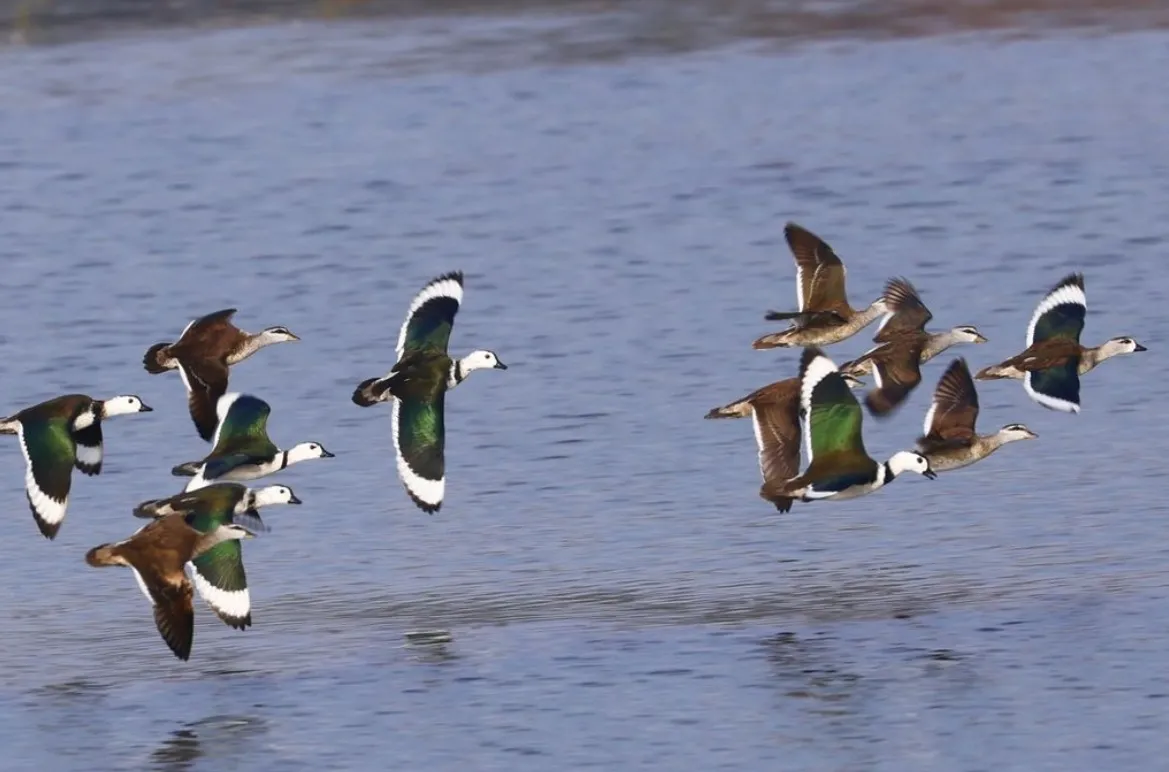
Yellow Water Billabong is the premier birdwatching spot in Kakadu. This area is famous for its birdlife and has species like the Great-billed Heron and Black Kites. The billabong’s wetland environment attracts many water birds and is great for photography.
Mamukala Wetlands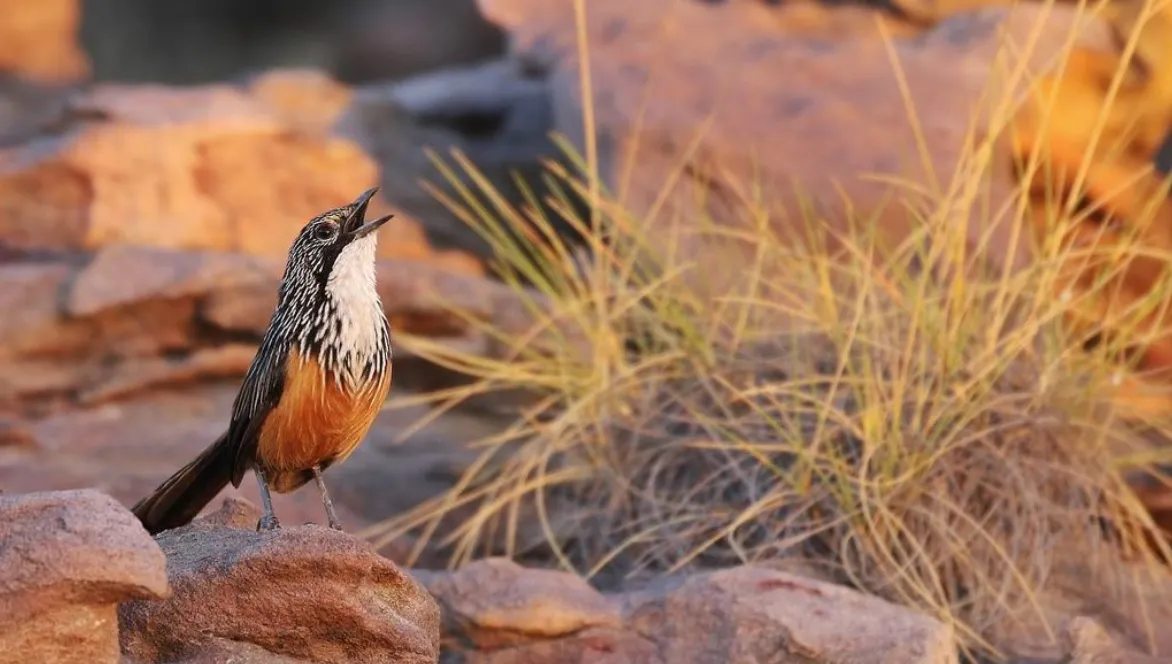
Mamukala Wetlands is another good spot for bird watchers, especially during the wet season when the water is high. This area has many bird species, including the Radjah Shelduck and White-throated Grasswren. You can also see the Banded fruit dove and other colourful birds here.
Nourlangie Rock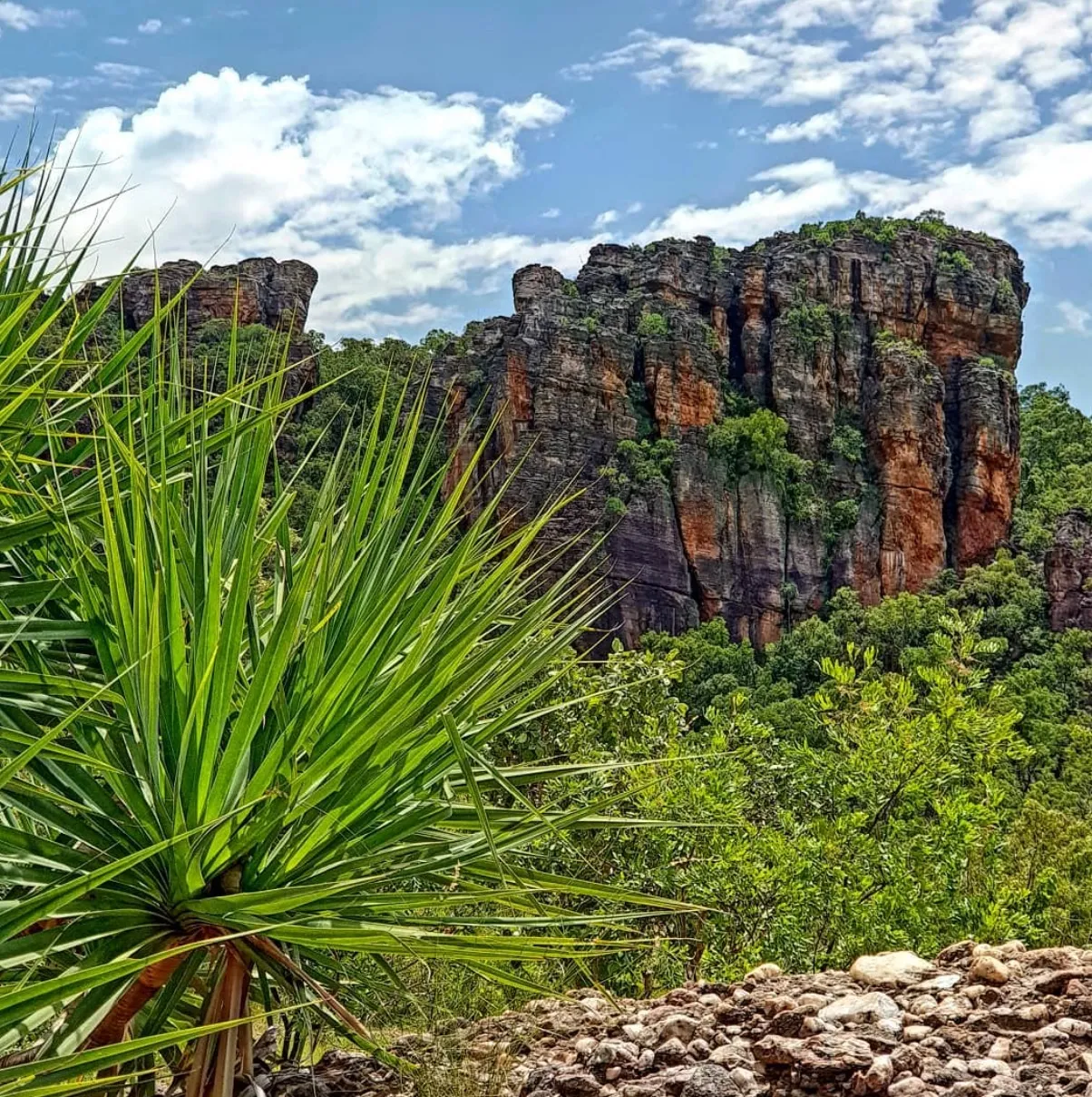
Nourlangie Rock, a culturally significant site, is a great spot to see birds adapted to the rocky outcrops and woodlands. Key birds here are the Northern Fantail and Dusky Grasswren. The varied habitats make it a good spot to see both endemic and migratory birds.
Jim Jim Falls
Jim Jim Falls is a dramatic location with stunning scenery and great birdwatching. The area’s unique environment supports many bird species, including the Helmeted Friarbird and Crimson Chat. The falls and surrounding areas are good for birds of prey and other interesting species.
East Alligator River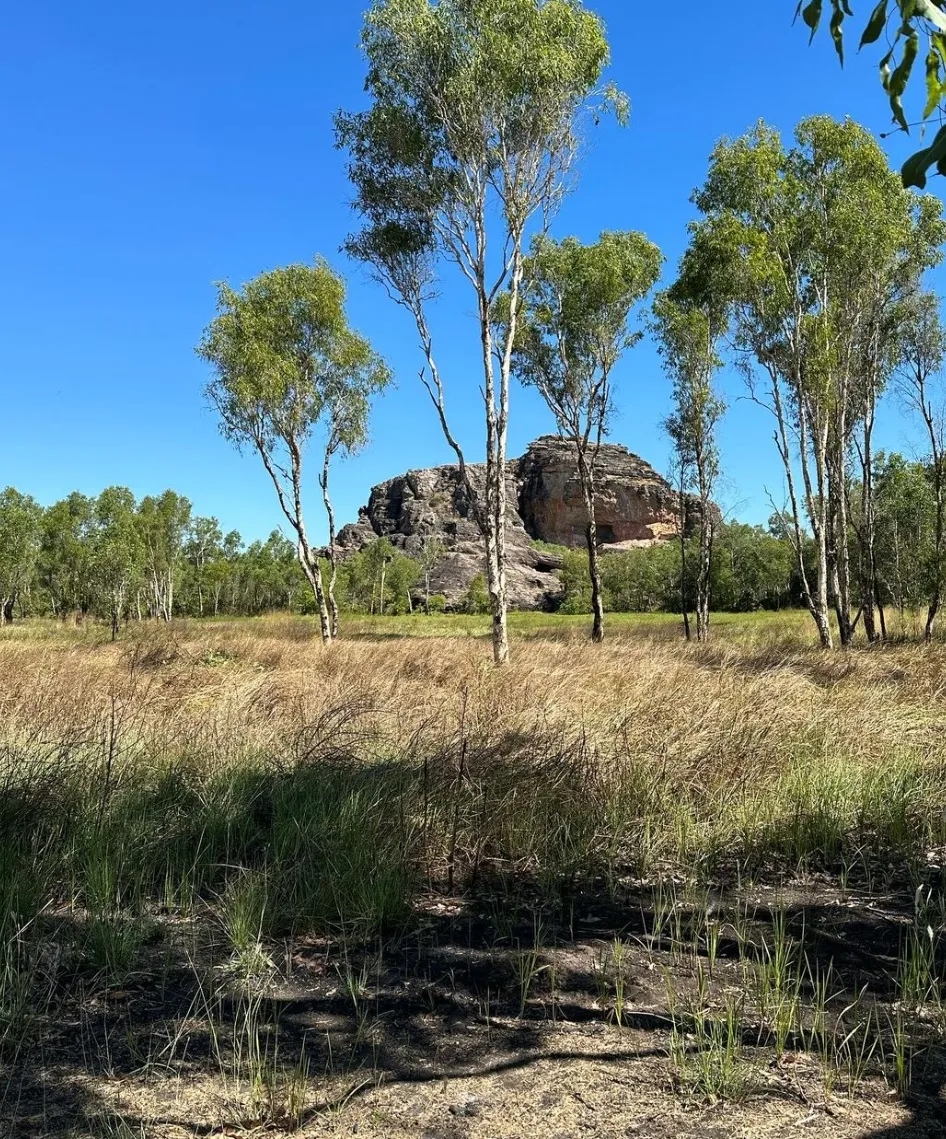
The East Alligator River area has many birdwatching experiences. This is a good spot to see water birds like the Glossy Ibis and Pied Herons. The river’s many habitats means you can see the White-bellied Sea Eagle and Mangrove Golden Whistler.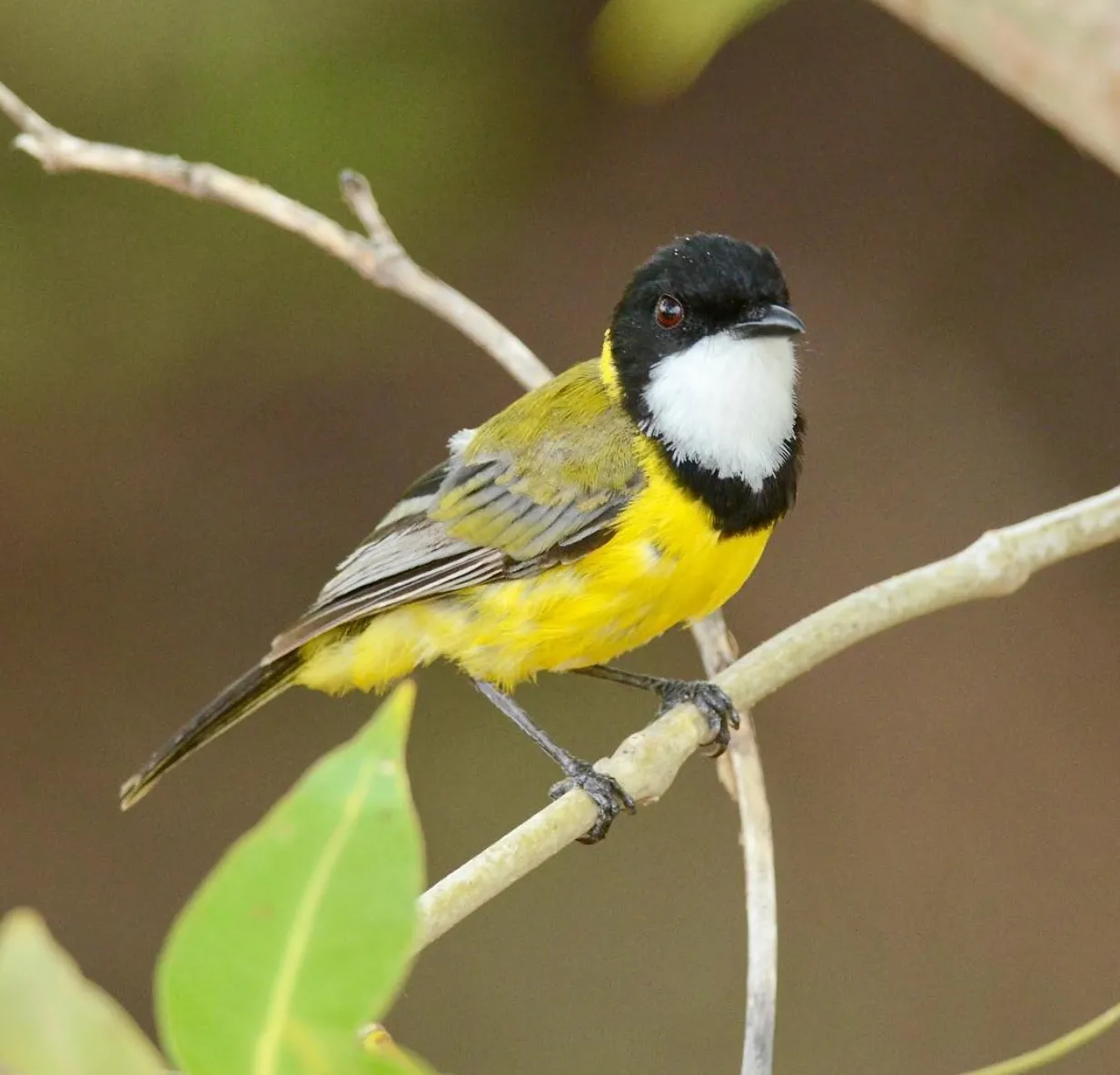
| Birdwatching Spot | Key Birds | Best Time to Visit | Additional Notes |
|---|---|---|---|
| Yellow Water Billabong | Great-billed Heron, Black Kites, Royal Spoonbill | Dry Season | Excellent for water birds and photography. |
| Mamukala Wetlands | Radjah Shelduck, White-throated Grasswren, Banded Fruit-Dove | Wet Season | It is ideal for spotting a wide variety of birds. |
| Nourlangie Rock | Northern Fantail, Dusky Grasswren | Dry Season | Great for both endemic and migratory birds. |
| Jim Jim Falls | Helmeted Friarbird, Crimson Chat | Dry Season | Dramatic scenery with diverse bird species. |
| East Alligator River | Glossy Ibis, Pied Herons, White-bellied Sea Eagle | Wet and Dry Season | Varied habitats for extensive birdwatching. |
Birding Tours
If you want to get more out of your birding, there are birding tours available in Kakadu National Park. These tours are led by experienced bird guides who will give you inside knowledge of the park’s birds and help you spot the key species. Birding tours range from half-day to multi-day trips to suit different interests and schedules. Some tours focus on specific birding sites. Others give you a general overview of the park’s birds.
One of the options is the Kakadu Bird Week Tours 2024 which have specialist itineraries to maximise birding opportunities. These Kakadu National Park tours often visit top birding sites like Yellow Water Billabong and Mamukala Wetlands and have educational sessions on bird identification and behaviour. You’ll also get to tap into the knowledge of local bird specialists who will share their expertise on Kakadu’s unique birds and habitats.
Bird Watching Ethics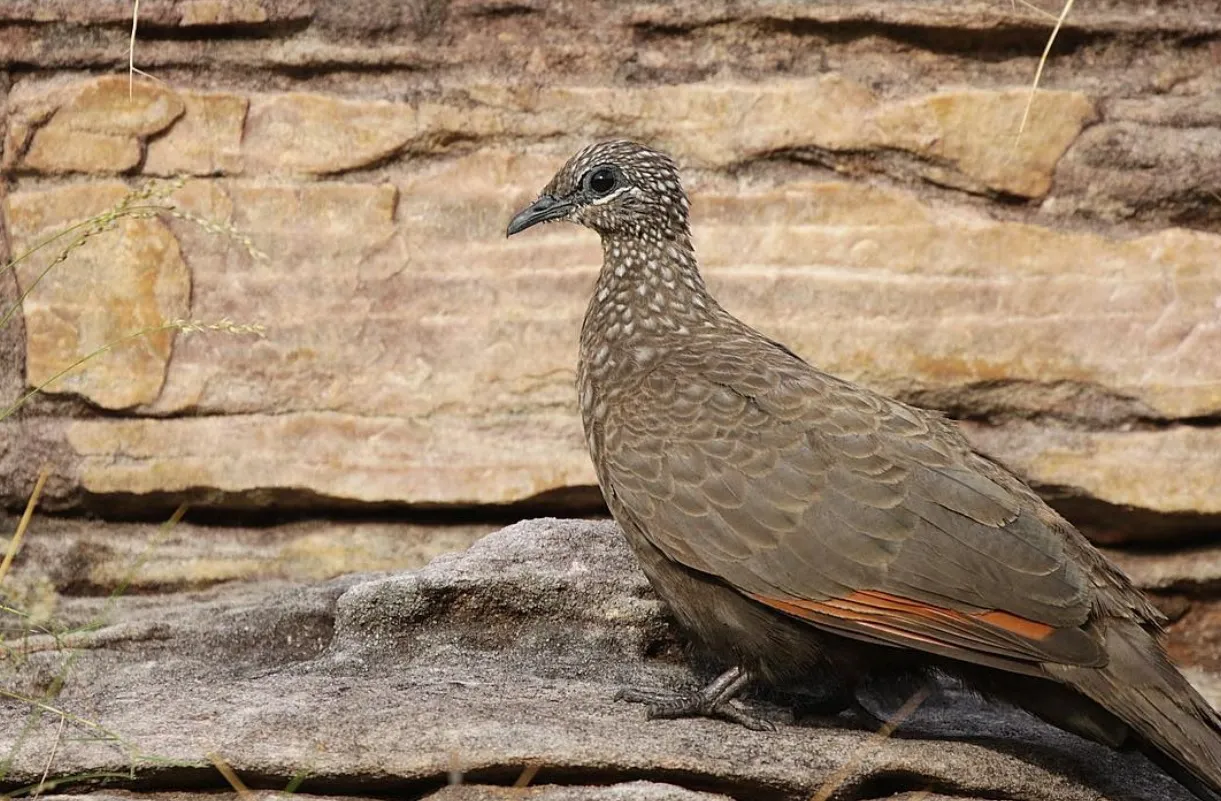
Ethical bird watching is crucial to protect the birds and their habitats. Bird watchers should follow guidelines to minimize disturbance to wildlife and respect their natural behaviour. Key practices are to keep a safe distance from birds, avoid loud noises and not feed or bait birds. Also stay on designated trails and don’t trample sensitive vegetation.
Bird watchers should be aware of their impact on the environment and try to leave no trace. By following these guidelines bird enthusiasts can contribute to the conservation of Kakadu’s amazing birdlife and so future generations can enjoy the park’s birds.
Conclusion
Kakadu National Park is a bird watcher’s paradise with diverse habitats and many species. From the famous Yellow Water Billabong to the sacred Nourlangie Rock, the birding sites are endless. Whether you’re an experienced birder or just starting out Kakadu is a must see for any birdwatcher.